Frontier artificial intelligence is reshaping the cybersecurity landscape, with recent strides from developers like OpenAI and Anthropic accelerating the shift toward faster, smarter, and more automated threat response. As AI-native defense becomes central to modern security operations, understanding how these advanced models are being deployed—and the challenges they bring—is crucial. Below, we address key questions about the intersection of frontier AI and cyber defense, drawing on insights from leading security pioneers.
What is frontier AI and why does it matter for cybersecurity?
Frontier AI refers to the most advanced, cutting-edge models developed by labs such as OpenAI, Anthropic, and Google DeepMind. These models possess enhanced reasoning, pattern recognition, and automation capabilities that far exceed earlier iterations. In cybersecurity, frontier AI matters because it can analyze vast datasets, identify vulnerabilities at scale, and accelerate both defensive and offensive operations. For defenders, it means faster detection of anomalies, automated response to zero-day exploits, and more intelligent prioritization of threats. However, it also equips attackers with tools to discover weaknesses more efficiently, raising the stakes in the ongoing cyber arms race. The net effect is a dramatic shift toward machine-speed operations where autonomous decision-making becomes essential.

How do SentinelOne's partnerships with frontier labs influence its security platform?
SentinelOne has collaborated extensively with frontier labs like OpenAI, Anthropic, and Google DeepMind, gaining early insight into evolving model capabilities. These partnerships allow the company to integrate advanced reasoning and automation directly into its platform, enabling customers to benefit from cutting-edge threat detection and response. While specific details often remain confidential, the learnings have been embedded in SentinelOne's AI-native architecture, which uses behavioral AI and autonomous protection across endpoints, cloud, identity, and network surfaces. The result is a system that can stop zero-day exploits and novel attacks that other solutions miss, operating at the speed of machine intelligence to preempt threats before they cause damage.
How does frontier AI change the balance between attackers and defenders?
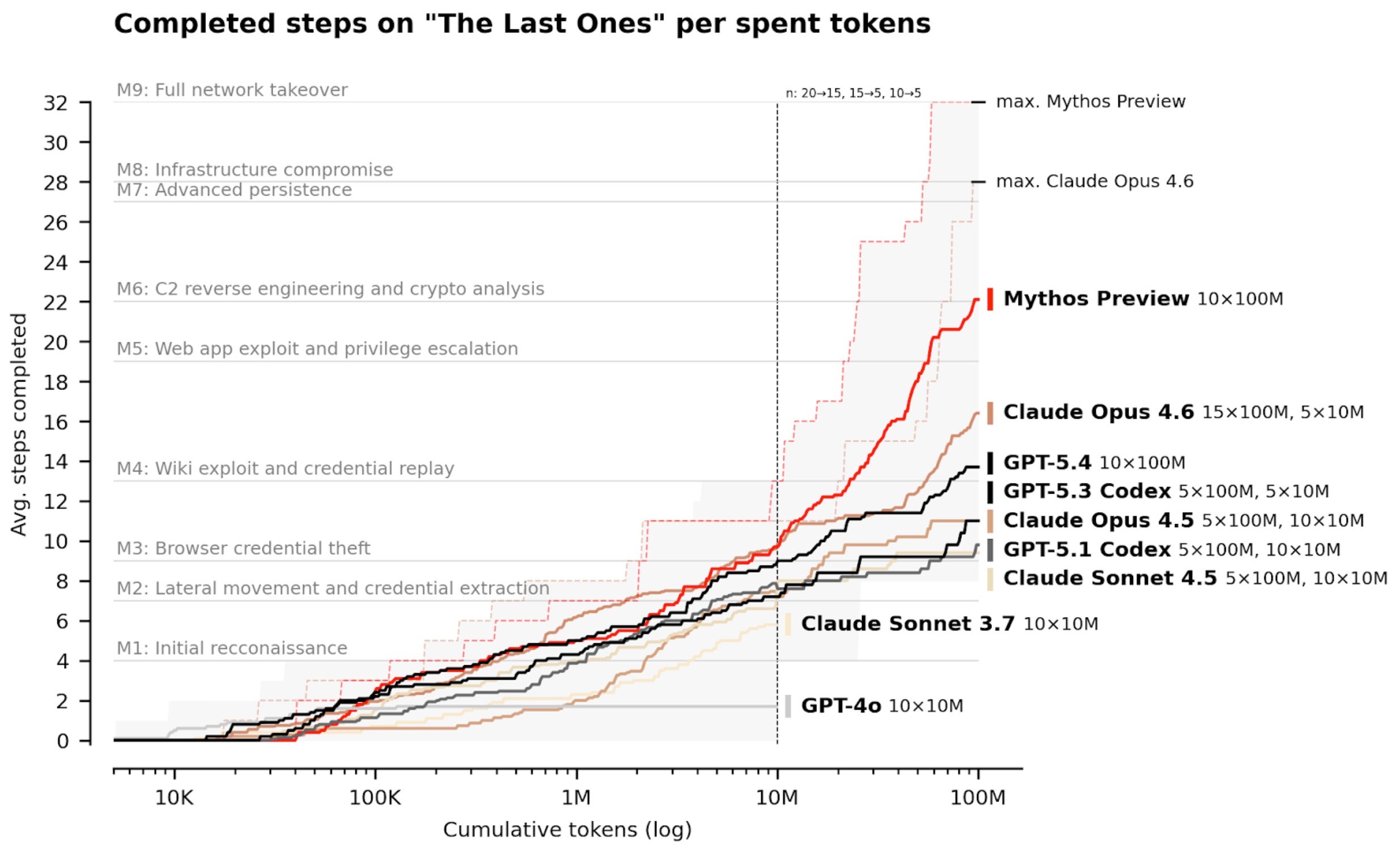
Frontier AI tilts the playing field in two directions. For defenders, it enhances the ability to identify weaknesses, analyze complex systems, and reason about attack paths at unprecedented scale. Automated security operations become faster and more intelligent. Conversely, attackers gain similar advantages: they can use frontier models to discover new vulnerabilities with greater speed and breadth, finding zero-days that might otherwise remain hidden. This means the cyber race is no longer just about who has more resources, but who can harness AI most effectively. The key for defenders is not merely to find more bugs, but to deploy autonomous, machine-speed protection that can block novel threats in real time—something SentinelOne's approach aims to deliver.
Why don't raw vulnerability counts translate directly to real-world risk?
Many vulnerabilities discovered through automated scanning or AI analysis are not meaningfully exploitable in live environments. Factors such as architectural layers, existing controls, mitigations, and runtime protections can reduce the practical risk significantly. The gap between theoretical exposure and operational risk is often substantial. Instead of focusing on raw bug counts, effective cybersecurity requires understanding real conditions—prioritizing threats that are actually exploitable and stopping attacks in complex environments. This is where AI-native platforms excel: by using behavioral analysis and context-aware reasoning to focus on genuine threats, rather than drowning in false positives or irrelevant vulnerabilities.
What makes SentinelOne's AI-native approach different from traditional security solutions?
From its inception, SentinelOne was designed to operate at machine speed, using behavioral AI and automation rather than signatures or manual rule sets. Unlike legacy solutions that rely on periodic updates or human intervention, SentinelOne's platform autonomously detects, defends, and responds across endpoint, cloud, identity, data, network, and AI attack surfaces. This approach is particularly valuable as frontier AI advances, because it allows for real-time adaptation to novel threats without needing predefined patterns. The integration of insights from frontier labs further enhances this capability, making the platform continuously smarter and more effective at stopping zero-day exploits and supply chain attacks.
Can you give concrete examples of frontier AI-powered defense stopping real attacks?
Recent supply chain attacks illustrate the power of AI-native autonomous defense. For instance, threats targeting LiteLLM, Axios, and CPU-Z exploited unpatched zero-day vulnerabilities in trusted workflows. In each case, traditional signature-based defenses failed because the attacks were novel and unknown. SentinelOne's autonomous response, operating at machine speed, was able to block these threats instantly by recognizing anomalous behavior and applying real-time mitigations. This capability is a direct result of the company's long-standing investment in behavioral AI and its partnerships with frontier labs, which continually refine detection models to counter even the most advanced threat actors.