Nuclear Energy Industry Poised for Historic Expansion as U.S. Targets Quadruple Capacity by 2050
Breaking News: Nuclear Renaissance Accelerates
The U.S. government has set an ambitious goal to quadruple its nuclear power capacity from roughly 100 gigawatts in 2024 to 400 gigawatts by 2050, according to an official Department of Energy statement. This target marks one of the most aggressive expansions in nuclear history, signaling a full-scale revival of an industry long considered dormant.
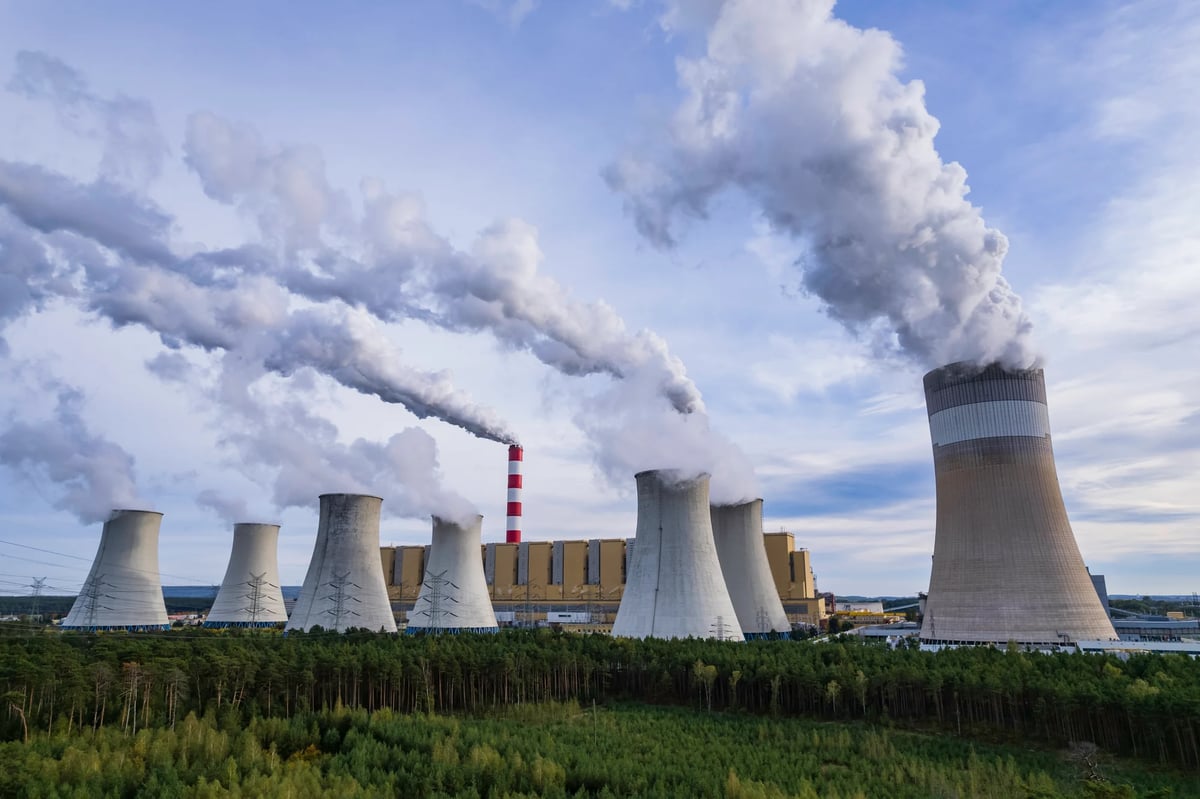
"The next American Nuclear Renaissance has arrived," the Energy Department declared in a recent policy document, underscoring a dramatic shift in federal energy strategy. Bank of America (NYSE: BAC) analysts estimate that this transformation could create a $10 trillion market opportunity globally, driven by surging demand for clean, reliable baseload power.
Background: From Relic to Resurgence
Nuclear energy was once written off as a fading technology, hampered by high costs, safety concerns, and public opposition following disasters like Fukushima. However, a confluence of forces has revived the sector: skyrocketing electricity demand from data centers, the rise of small modular reactors (SMRs), and a U.S. administration that is openly bullish on atomic power.
Commercial nuclear capacity has stagnated for decades, but new reactor designs promise lower upfront costs and faster deployment. SMRs, in particular, are drawing interest from tech giants seeking emissions-free energy for artificial intelligence and cloud computing operations. The Biden administration has also boosted support through tax credits and streamlined licensing.
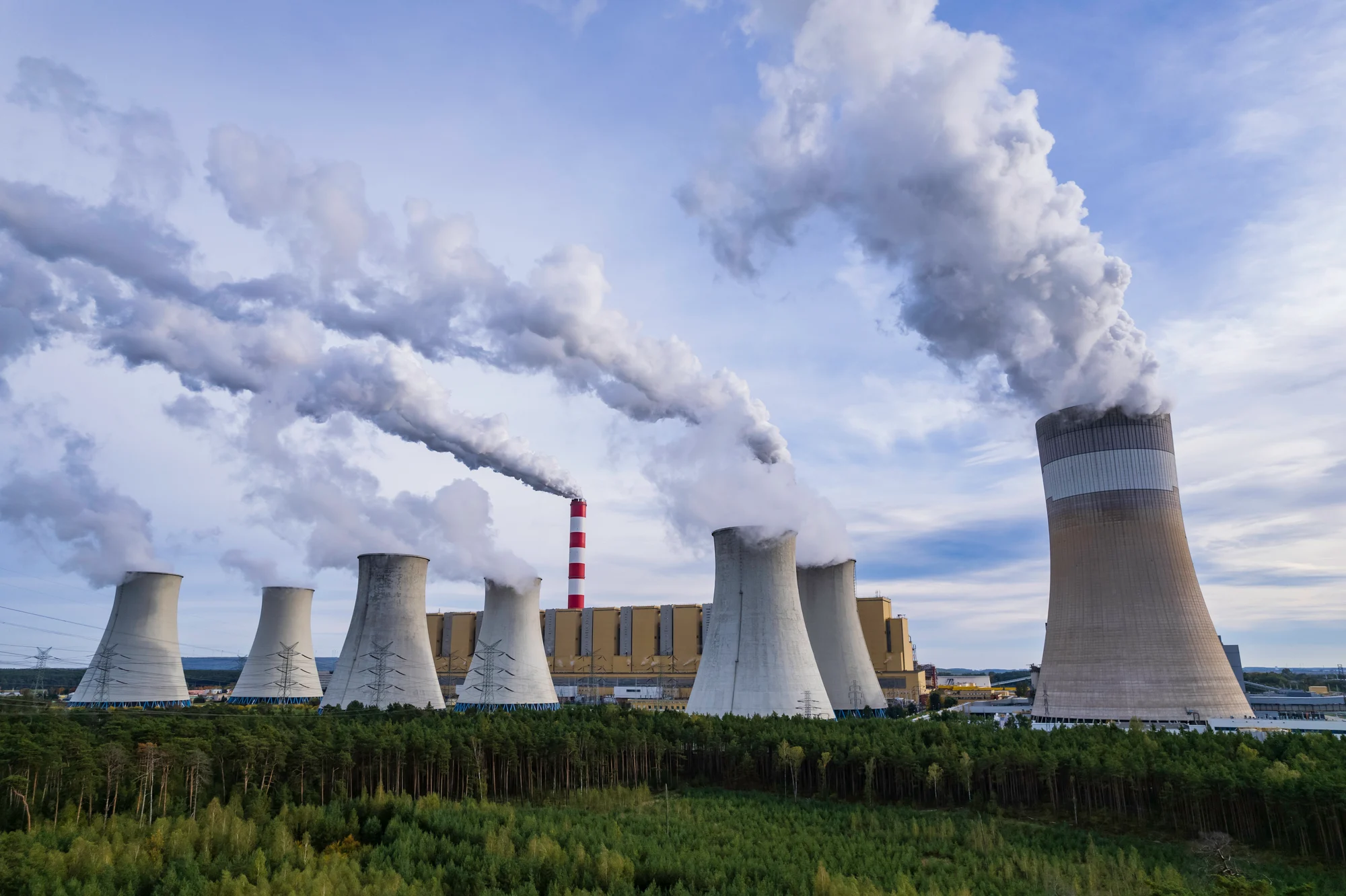
The Energy Department’s 400 GW target represents a fourfold increase from current levels, a pace that would require building roughly one large reactor per year for the next 25 years. Industry experts caution that supply chain bottlenecks and regulatory hurdles remain significant obstacles.
What This Means
For investors, the nuclear renaissance opens a multi-trillion-dollar opportunity in plant construction, fuel supply, and reactor technology. Companies developing SMRs, such as NuScale Power and GE Hitachi, stand to benefit directly, while uranium miners and engineering firms could see renewed demand. The $10 trillion figure cited by Bank of America reflects not just U.S. expansion but global momentum, with over 50 reactors under construction worldwide.
For the energy grid, nuclear provides a carbon-free, 24/7 power source essential to complement intermittent renewables like wind and solar. Data center operators, facing pressure to decarbonize, are increasingly exploring nuclear partnerships. The challenge lies in execution: scaling up manufacturing, managing waste, and winning public acceptance. If the U.S. meets its 2050 goal, nuclear could supply nearly 30% of the nation's electricity, up from 19% today, radically reshaping the energy landscape.
In summary, the nuclear sector has transitioned from a fading relic to a cornerstone of climate strategy. With federal backing and technological innovation, the industry is entering what may be its most dynamic period in half a century.
Related Articles
- 10 Key Insights Into Prescott Group’s Bet on PennyMac Financial Services Amid Mortgage Turmoil
- International Sting Nets 276 Arrests, Dismantles 9 Crypto Fraud Rings, Recovers $701M
- Building AI Agents with Cursor's Harness: A Developer's Guide to the Future of Code
- Automating Full-Stack Deployments: How AI Agents Can Provision Cloudflare Accounts and Domains with Stripe
- MOFT's MagSafe Kickstand Wallet with Find My Support Finally Released After Long Wait
- The EZ Lynk Emissions Investigation: Navigating the Landmark DOJ Data Request from Apple
- How to Snag the AirPods Max 2 at a Record Low Price on Amazon
- Kraken's Strategic Shift: Adopting Chainlink CCIP for Wrapped Asset Infrastructure