Mars Rover Curiosity’s Sticky Rock Extraction: A Q&A on the Atacama Sample
In late April 2026, NASA's Curiosity rover encountered an unexpected challenge while drilling a Martian rock. After successfully collecting a sample, the rock refused to let go of the drill bit, clinging to the rover for several days. Engineers on Earth worked tirelessly to free it, and when it finally detached, the rock broke into pieces. This Q&A explores the details of this fascinating event.
What happened when NASA's Curiosity rover drilled a rock on Mars in April 2026?
On April 25, 2026, NASA's Curiosity Mars rover used its robotic arm to drill a sample from a rock. After the sample was collected, the rover retracted its arm. However, to the surprise of the mission team, the entire rock came along with the drill bit, stuck to the rover. This unexpected phenomenon meant the rock became lodged on the drill, preventing further operations until it could be dislodged.
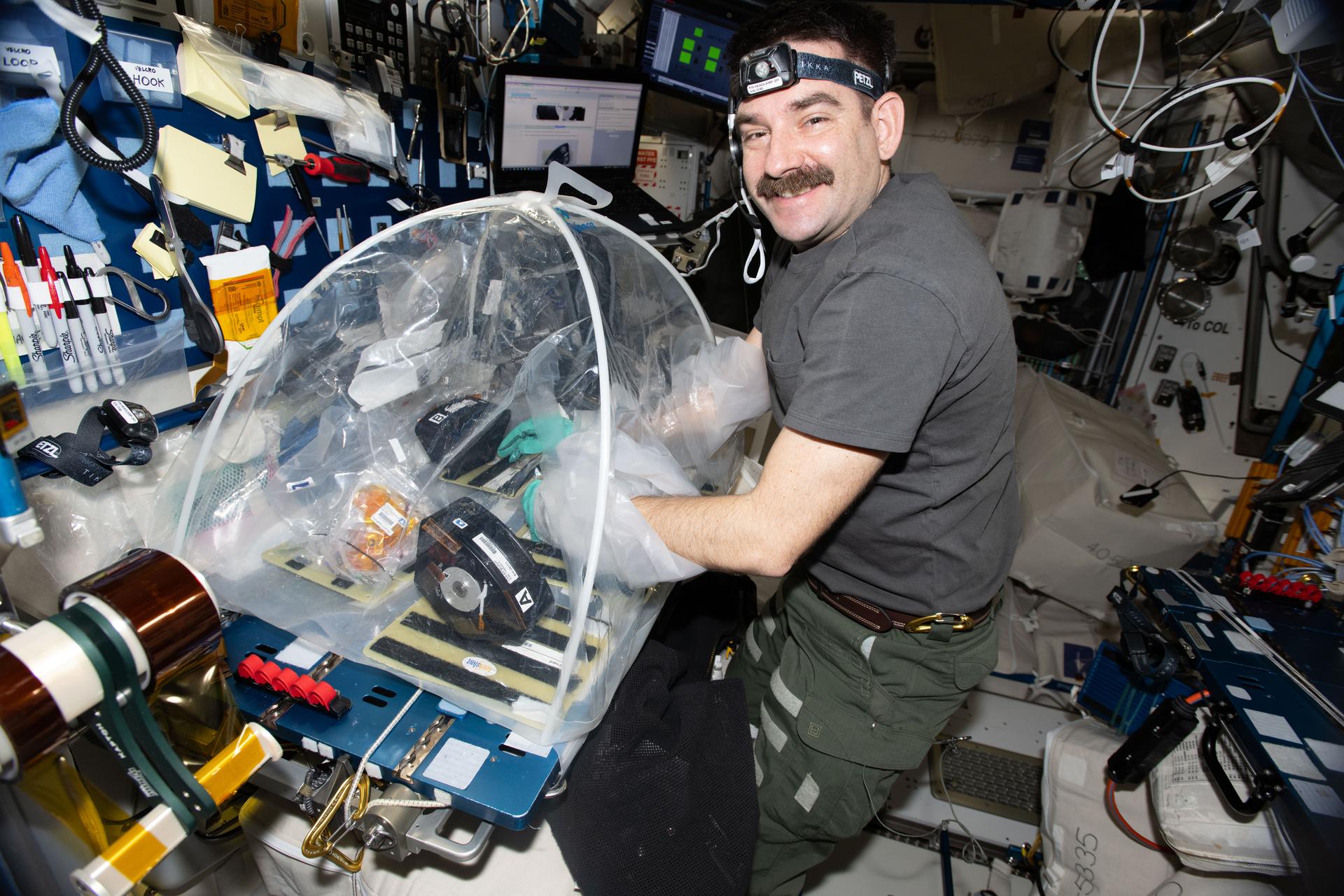
How did engineers try to remove the stuck rock from Curiosity's drill?
Over the following days, engineers at NASA’s Jet Propulsion Laboratory devised a plan to free the rock. They repositioned Curiosity's robotic arm several times and initiated controlled vibrations through the drill mechanism. The goal was to shake the rock loose without damaging the delicate drilling hardware. The process required careful monitoring as the rover operated on Mars, with communication delays making real-time adjustments impossible.
When did the rock finally detach, and what happened to it?
After a week of persistent efforts, the rock finally detached from the drill on May 1, 2026. When it came loose, it broke into multiple fragments rather than remaining intact. This was likely due to the stress from the drilling and vibrations weakening its structure. The pieces fell near the rover, providing a bonus opportunity for further scientific examination.
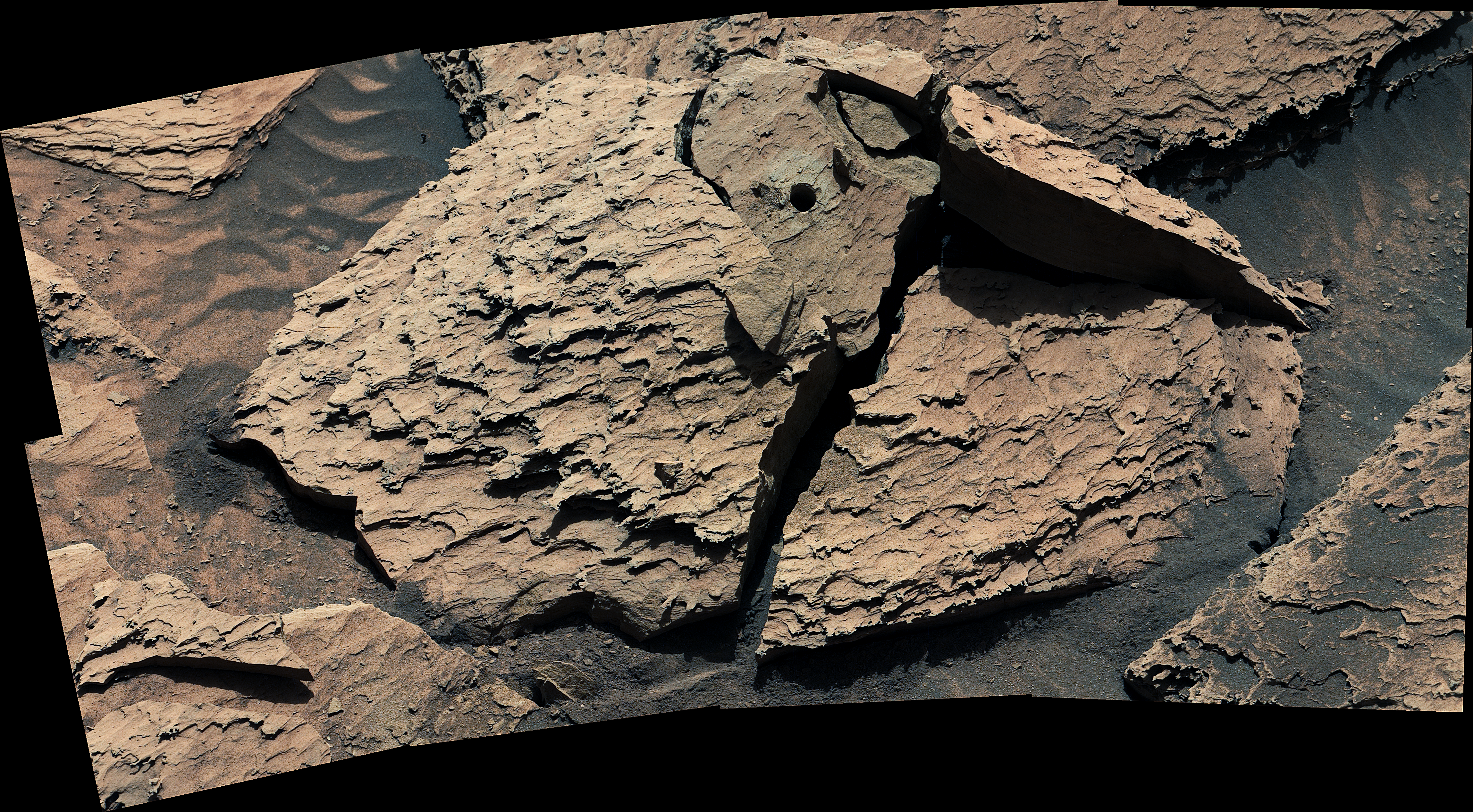
What is the nickname and physical description of the rock?
The rock was nicknamed “Atacama” by the Curiosity team. A close-up image captured by the rover’s Mast Camera (Mastcam) on May 6 revealed its dimensions. The rock is estimated to be 1.5 feet (0.46 meters) in diameter at its base and 6 inches (15 centimeters) thick. Its relatively flat shape and layered appearance suggest it may have formed in a sedimentary environment.
How much does the rock weigh on Earth compared to Mars?
On Earth, the Atacama rock would weigh approximately 28.6 pounds (13 kilograms), but on Mars, where gravity is only about 38% of Earth's, its weight would be roughly 10.9 pounds (5 kilograms). This weight difference explains why the rover could more easily lift the rock with its robotic arm despite its bulk.
What evidence of the drilling is visible on the rock?
The Mastcam image clearly shows the circular hole produced by Curiosity's drill at the center of the rock. The hole is about the diameter of a typical drill bit used for rock sampling, and its clean edges indicate the drilling was successful before the rock became stuck. This hole served as evidence of the sample collection before the unforeseen mishap.
Related Articles
- How Astronomers Cracked the 50-Year-Old Gamma-Cas X-Ray Mystery
- How NASA Aims to Give Emergency Drones Priority in Crowded Skies
- Preserving Team Culture in an AI-Augmented Workplace: A Step-by-Step Guide
- Demystifying Semantic Search: When Vector Databases Outshine Traditional Search
- Lightning's Elusive Spark: New Research Challenges Decades of Assumptions
- Pinpointing the Culprit: How Researchers Are Automating Failure Attribution in Multi-Agent LLM Systems
- Mars Telecommunications Network: NASA's Call for Industry Collaboration - Q&A
- Bohmian Mechanics: A Radical Quantum Reality Check