Tesla Unveils Basecharger and Megacharger Pricing for Semi Truck Fleet Charging
Introduction
Tesla has officially launched its Semi Charging for Business program, marking a significant step in the electrification of heavy-duty trucking. The initiative allows fleet operators and businesses to purchase and install charging infrastructure tailored for the Tesla Semi. Alongside the well-known Megacharger, Tesla has introduced a new, more affordable charging solution called the Basecharger. This article provides an in-depth look at the program, pricing, and what it means for the future of electric trucking.
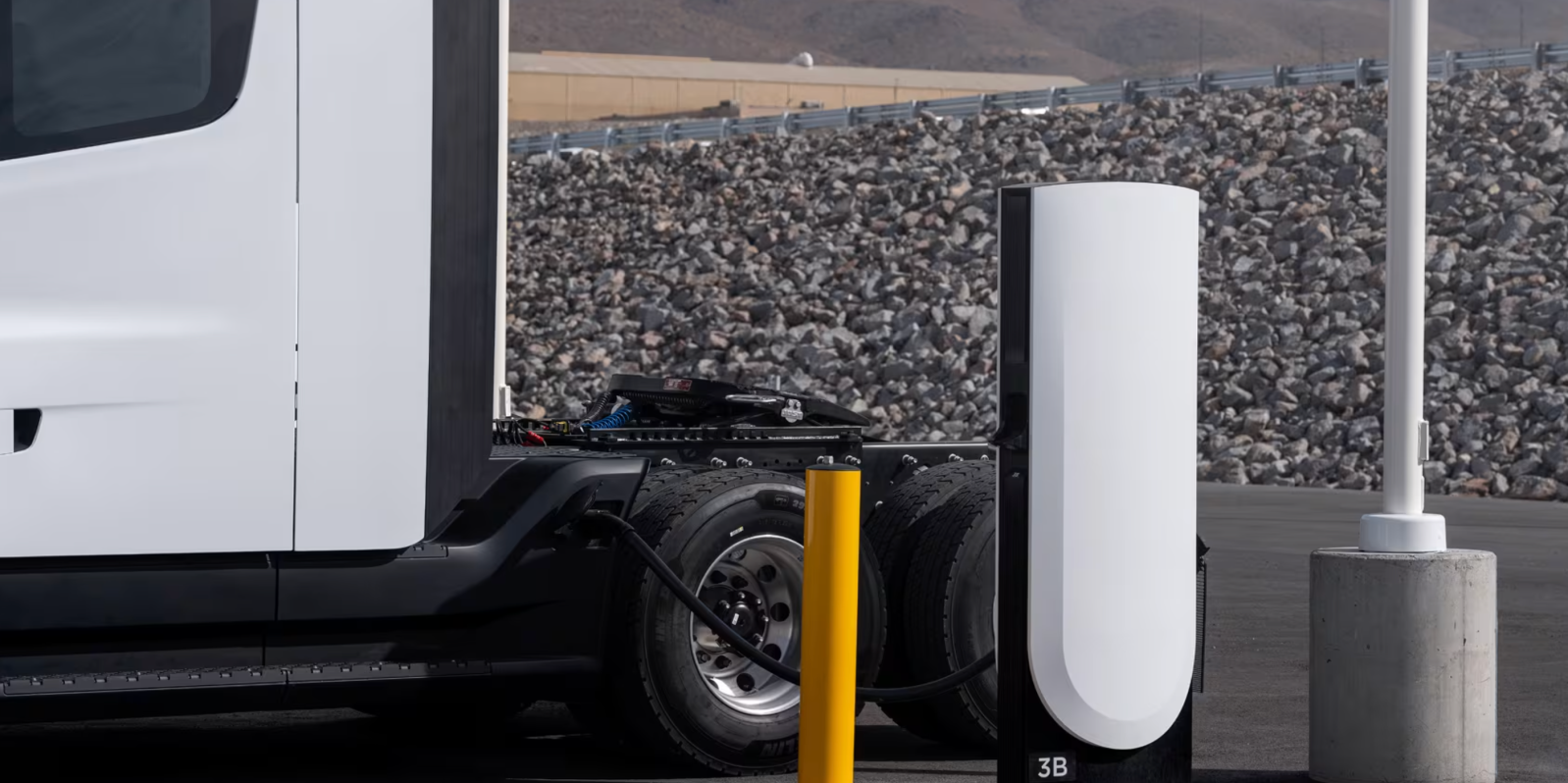
The Tesla Semi Charging Ecosystem
Basecharger: Overnight Depot Charging at 125 kW
The Basecharger is a new lower-power charger designed specifically for depot and overnight use. With a power output of 125 kW, it is intended for fleets that can charge their vehicles during extended parking periods, such as overnight or during loading/unloading. This solution is ideal for reducing the total cost of ownership by taking advantage of lower electricity rates during off-peak hours. The Basecharger is expected to be significantly more affordable than high-power options, though Tesla has not yet revealed its exact pricing. However, the modular design allows businesses to scale their charging capacity as their fleet grows.
Megacharger: High-Speed Charging at a Premium Price
For long-haul routes that require rapid charging, Tesla has revealed pricing for the Megacharger. The online configurator shows a starting price of $188,000 for two Megacharger posts, excluding taxes and installation. This high-speed charging solution is designed to deliver up to 1 MW of power, enabling the Tesla Semi to regain roughly 70% of its range in just 30 minutes. Tesla is also charging an all-inclusive fee of $0.08 per kWh for revenue-generating sites, making the operating cost competitive with diesel fuel. The Megacharger infrastructure is intended for highway corridors and high-traffic locations where turnaround time is critical.
Program Details and Benefits
Customizable Configurations for Fleets
The Semi Charging for Business program offers a range of options to meet diverse fleet needs. Fleet managers can choose between the Basecharger and Megacharger or combine both to create a hybrid charging network. Tesla provides an online configurator that allows businesses to estimate costs based on the number of chargers, site preparation requirements, and expected usage patterns. The program also includes Tesla’s Charging as a Service model, where the $0.08/kWh fee covers maintenance, software updates, and monitoring.
Cost Analysis and ROI
For fleet operators, the initial $188,000 investment for two Megacharger posts may seem steep, but the long-term savings can be substantial. According to Tesla, the operational cost of $0.08/kWh is equivalent to roughly $0.25 per mile for the Semi, compared to over $0.70 per mile for an equivalent diesel truck. When combined with the lower maintenance costs of electric drivetrains, many fleets can achieve a payback period of two to three years. The Basecharger, with its lower upfront cost and ability to use off-peak electricity, offers an even faster ROI for depot-based operations.

Installation and Site Requirements
Installing either the Basecharger or Megacharger requires significant site preparation. For the Megacharger, Tesla recommends a dedicated transformer and high-voltage grid connection due to its 1 MW power draw. Basecharger installations are simpler but still require industrial-grade electrical infrastructure. Tesla offers turnkey installation services through certified partners, ensuring compliance with local codes and reducing downtime. The company also provides a network planning tool to help fleets optimize charger placement for maximum efficiency.
Future Outlook
Tesla’s expansion of its charging ecosystem for the Semi is a clear signal that the company is serious about decarbonizing long-haul trucking. With the Basecharger and Megacharger options, Tesla is addressing both the need for overnight depot charging and high-speed en-route charging. As more fleets adopt the Tesla Semi and invest in these charging solutions, the infrastructure will likely become more standardized and accessible. Moreover, the competitive pricing of $0.08/kWh for Megacharger use sets a benchmark for the industry, potentially pressuring other charging networks to lower their rates.
In conclusion, the Semi Charging for Business program represents a comprehensive approach to electric truck charging. Whether a fleet chooses the cost-effective Basecharger for overnight use or the rapid Megacharger for long-distance routes, Tesla provides the tools to make the transition to electric trucks seamless and profitable. The next few years will reveal how the market responds, but early indicators suggest a strong interest from leading logistics companies.
Related Articles
- 10 Ways Electric Bus Depots Are Revolutionizing the UK National Grid
- How to Set Up Tesla Semi Charging Infrastructure: Basecharger & Megacharger Guide
- How to Prepare for the Future of Energy: Solar Dominance and Battery Storage by 2032
- UK Car Industry Surpassed 2024 EV Target Despite Public Claims of Weak Demand
- Why the SECURE Data Act Falls Short as Consumer Privacy Legislation
- Global Coal Capacity Reaches Decade-High in 2025 But Electricity Generation Falls
- Flutter Team Abandons Fragmented Stack, Unifies All Core Websites Under Dart-Powered Jaspr Framework
- Lexus Enters the Three-Row Electric SUV Arena: Everything We Know So Far