SpaceX's 34th ISS Resupply Mission: Key Questions Answered
On May 15, 2026, SpaceX launched its 34th commercial resupply mission to the International Space Station (ISS) under NASA contract. The Falcon 9 rocket carried a Dragon cargo spacecraft loaded with nearly 6,500 pounds of supplies and scientific experiments. Here are the essential details about this mission.
When and where did the launch take place?
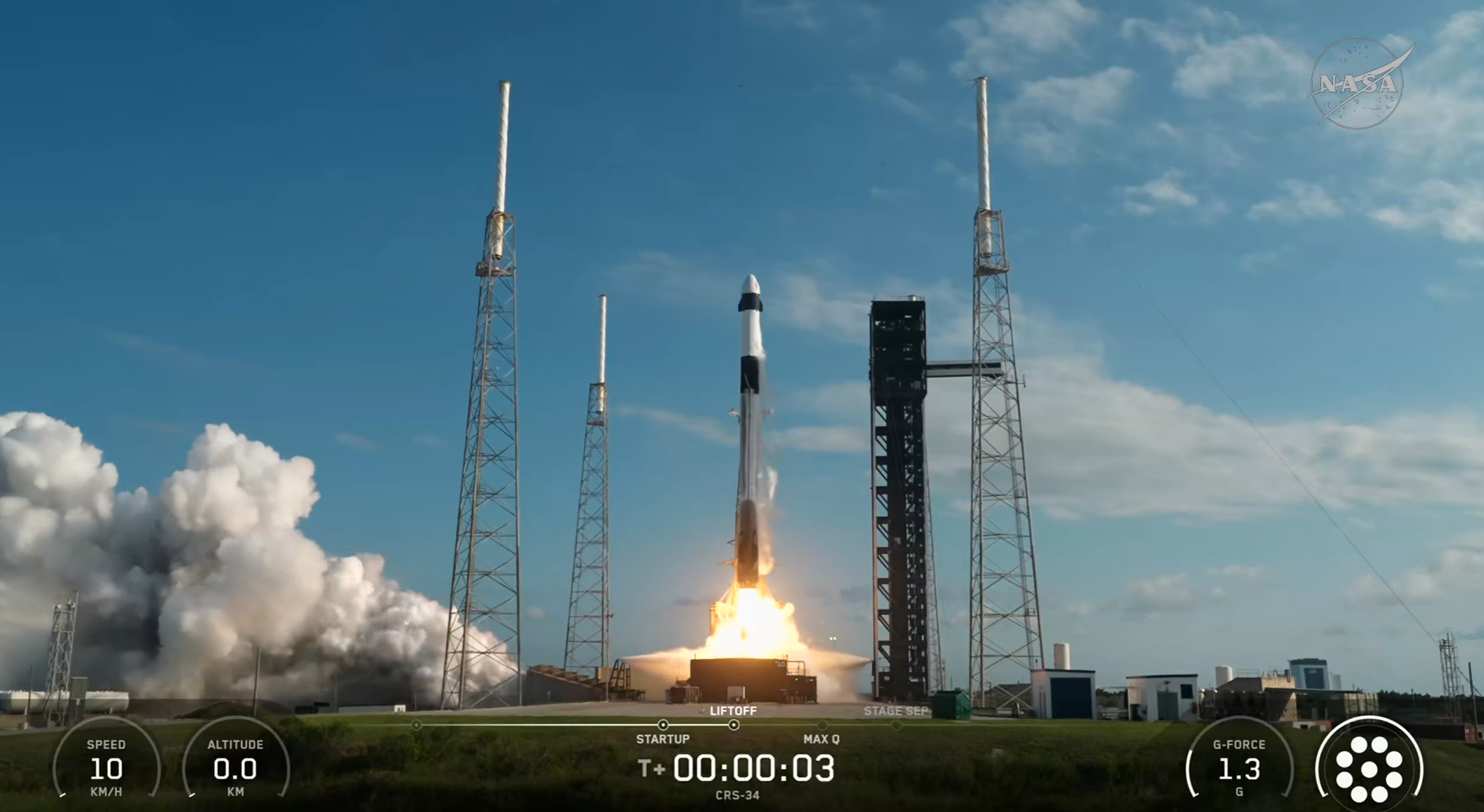
The Falcon 9 rocket lifted off at 6:05 p.m. EDT on Friday, May 15, 2026, from Space Launch Complex 40 at Cape Canaveral Space Force Station in Florida. The launch was the 34th in a series of NASA-contracted commercial resupply missions operated by SpaceX.
When will Dragon dock with the ISS, and how can I watch?
The Dragon spacecraft is scheduled to autonomously dock at about 7:00 a.m. EDT on Sunday, May 17, 2026, to the forward port of the station's Harmony module. Live coverage of the rendezvous and docking begins at 5:30 a.m. EDT on NASA+, Amazon Prime, and NASA's YouTube channel. You can also follow via NASA's social media platforms.
What cargo is Dragon carrying to the station?
The spacecraft is loaded with nearly 6,500 pounds of supplies for the Expedition 74 crew and a suite of scientific experiments. The cargo includes crew provisions, equipment, and research hardware that will support dozens of investigations aboard the orbiting laboratory.
What new experiments are aboard this mission?
Dragon is delivering several groundbreaking studies:
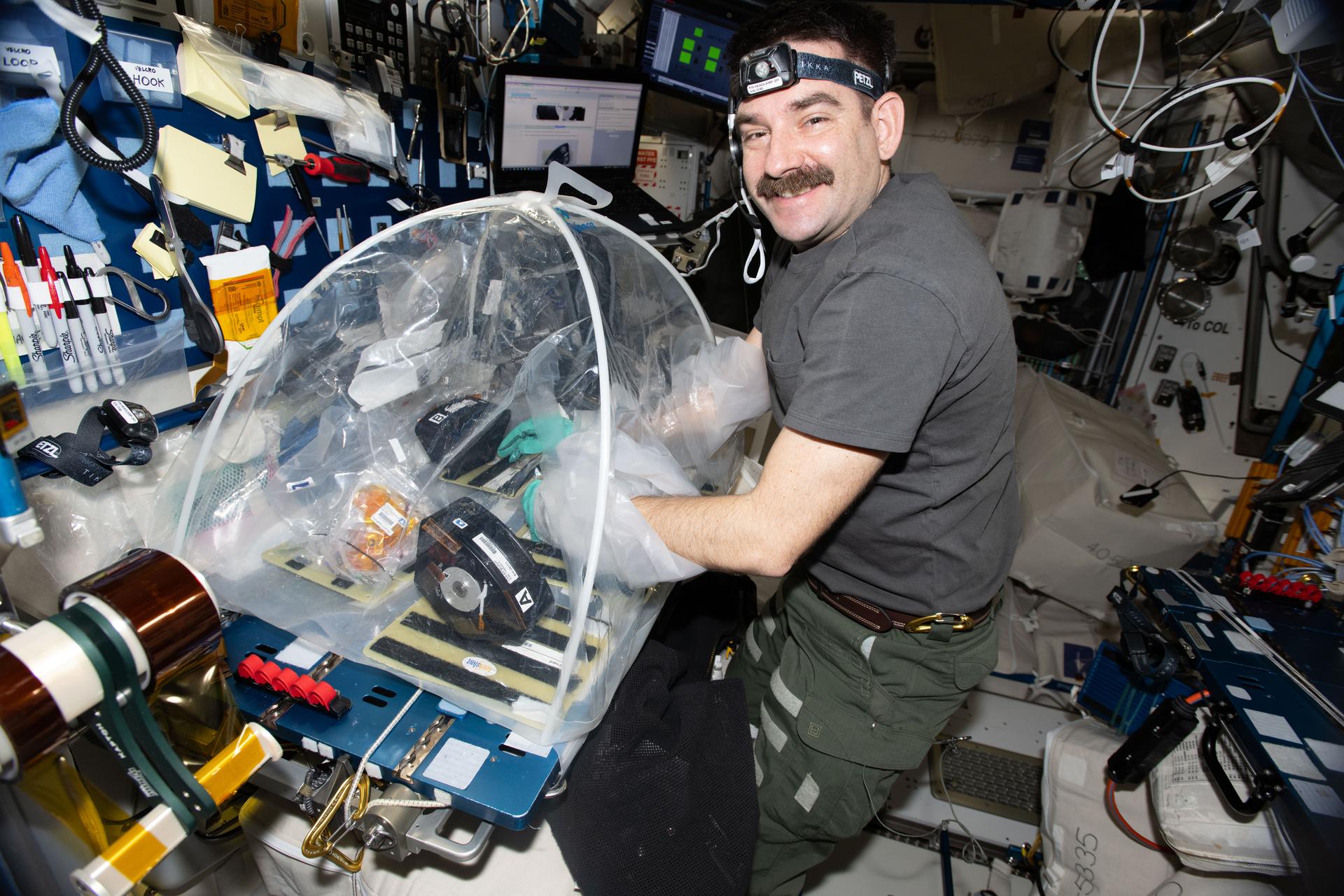
- Microgravity simulators test: An experiment to see how well Earth-based simulators replicate true microgravity conditions.
- Bone scaffold from wood: A scaffold made of wood that may lead to new osteoporosis treatments.
- Red blood cells and spleen: Equipment to study how these change in microgravity.
- Charged particle instrument: To measure particles around Earth that can disrupt power grids and satellites.
- Planet formation study: An investigation providing insights into how planets form.
- Sunlight reflection instrument: For highly accurate measurements of sunlight reflected by Earth and the Moon.
These are just a sample of the hundreds of experiments conducted on the ISS in biology, physics, and Earth science.
How long will Dragon stay at the station, and how will it return?
Dragon is scheduled to remain docked at the ISS until mid-June 2026. It will then depart, carrying time-sensitive research and cargo back to Earth, and splash down off the coast of California. This return allows scientists to analyze samples and data shortly after landing.
Why is the International Space Station important for research?
For over 25 years, humans have lived and worked continuously aboard the ISS, advancing scientific knowledge that cannot be obtained on Earth. The microgravity environment enables breakthroughs in biology, materials science, and Earth observation. The station also helps NASA prepare for long-duration missions to the Moon under the Artemis program and eventually to Mars, while expanding commercial opportunities in low Earth orbit.
Related Articles
- Breakthrough Study Shows Young Gut Bacteria Reverses Liver Aging in Mice
- From Village Roots to Wireless Frontiers: Ana Inês Inácio’s Journey in RF Engineering
- The Orion Flywheel: Keeping Artemis Astronauts Fit on the Journey to the Moon
- How Scientists Discovered Warm Ocean Water Approaching Antarctica's Ice Shelves
- 10 Fascinating Facts About the Euclid Space Telescope's Citizen Science Mission
- Your Blueprint for a Career in RF Sensor Systems and Wireless Innovation
- A Bold Experiment: Reducing the Genetic Alphabet to 19 Amino Acids
- 7 Fascinating Facts About Asteroid 2026 JH2's Historic Close Approach