Behind the Arrest of Saudi Wikipedian Osama Khalid: Key Questions Answered
This Q&A explores the case of Osama Khalid, a Saudi Wikipedia editor and open-source advocate who was arrested in 2020 and sentenced to over a decade in prison for his online activities. Learn about his background, the charges against him, and the broader implications for digital rights and free expression.
Who is Osama Khalid and why was he arrested?
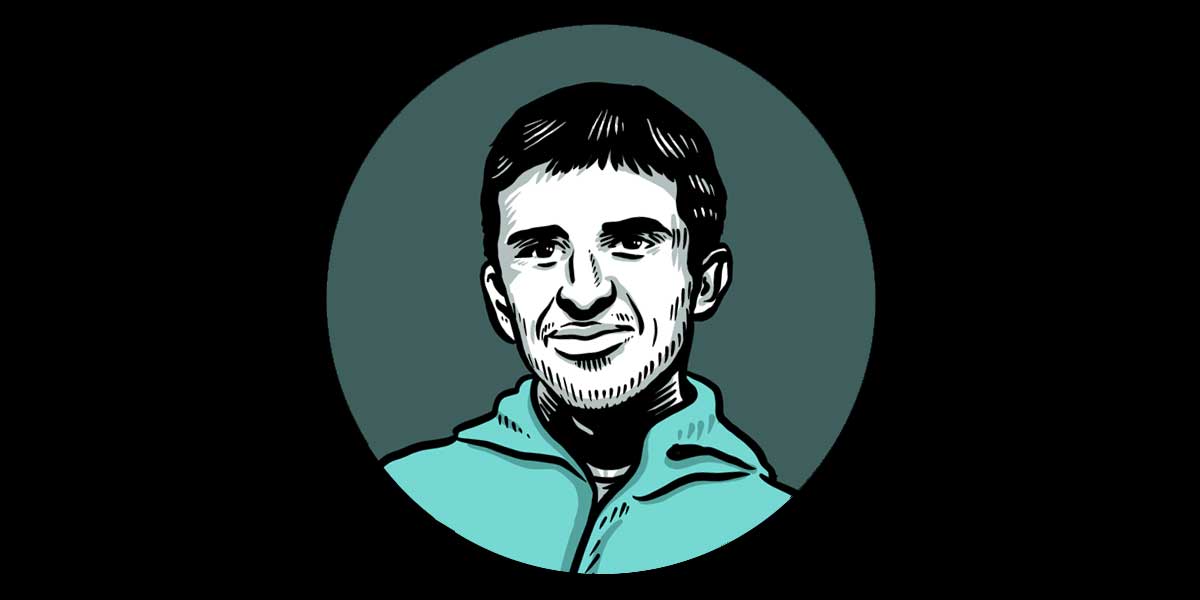
Osama Khalid began editing the Arabic Wikipedia at the age of 12. As a teenager and young adult, he became a vocal blogger, writing about technology, freedom of expression, and life in Saudi Arabia. He also contributed translations to projects like EFF's HTTPS Everywhere. By profession, he was training to become a pediatrician. In July 2020, during the COVID-19 lockdown, Saudi authorities detained him in a wave of arbitrary arrests. His “crime” was sharing information online that contradicted official narratives. Specifically, he contributed Wikipedia pages on human rights issues in Saudi Arabia, such as the treatment of activist Loujain al-Hathloul and conditions at al-Ha’ir prison. His blog, now removed, included an article criticizing government plans to surveil encrypted platforms.
What was his original sentence, and how did it change?
Osama was initially given a five-year prison sentence. However, on appeal, the sentence was dramatically increased to 32 years. In 2023, it was reduced to 25 years, and then in September 2024, it was cut again to 14 years. This repeated fluctuation highlights what human rights groups call the arbitrary nature of sentencing in Saudi Arabia's judicial system. ALQST, a Saudi human rights organization leading the campaign for his release, noted in a joint letter that the huge discrepancies between sentences at different stages underscore how unpredictably the courts operate.
How is the Electronic Frontier Foundation (EFF) involved?
EFF has a long history of campaigning for individuals imprisoned for their speech. Osama's case is now part of EFF's Offline campaign, which also includes Ola Bini (a Swedish software developer targeted by Ecuador) and Alaa Abd El Fattah (an Egyptian activist). EFF believes that supporting these individuals is about defending the principle that writing code, sharing ideas, and criticizing governments should not be crimes. Through public pressure, international solidarity, and legal advocacy, EFF aims to raise the political cost of repression. In Osama's case, EFF is working with partners like ALQST to advocate for his release.
What specific charges were brought against Osama Khalid?
While the exact formal charges are not publicly detailed, the underlying reason for his prosecution was his online activity that conflicted with official Saudi narratives. His Wikipedia contributions covered sensitive topics such as women's rights activist Loujain al-Hathloul (herself an EFF client) and the infamous al-Ha’ir prison. His blog included a piece criticizing government plans to monitor encrypted platforms. Saudi Arabia's cybercrime laws are vaguely defined and often used to silence critics, technologists, and journalists. National security claims are frequently invoked to justify such prosecutions.

Why is this case important for global digital rights?
Osama's situation is not isolated. Governments worldwide increasingly use vague cybercrime laws and national security claims to silence dissent. Attacks on free expression rarely respect borders. The EFF points to similar cases in Ecuador (Ola Bini) and Egypt (Alaa Abd El Fattah) as evidence of a troubling trend. By highlighting Osama's case, activists hope to build international solidarity that can shift the political cost of repression. Public pressure and sustained campaigning have sometimes secured meaningful protections for targeted individuals. This fight is about defending the principle that online organizing and writing code should not be treated as crimes.
What can people do to support Osama Khalid's release?
Individuals can raise awareness by sharing his story on social media and signing petitions organized by groups like ALQST. Donating to legal defense funds and human rights organizations that work on digital rights can also help. Another effective action is contacting your government representatives to urge them to press the Saudi government on cases like Osama's. The EFF's Offline campaign provides resources for actions such as sending letters to officials or amplifying calls for justice. Every form of support contributes to the international pressure needed to protect human rights defenders.
Related Articles
- Your Complete Guide to Viewing the Pentagon’s Declassified UFO Videos
- Dive Into the Cloud: Subnautica 2, HITMAN Rewards, and Forza Horizon 6 Headline This Week's GeForce NOW Games
- Rapid AI-Generated Code Risks Catastrophic Failures in IoT Systems, Experts Warn
- How to Choose Supplements for Healthy Aging: A Step-by-Step Guide
- Protect Your Servers: A Step-by-Step Patch Guide for cPanel & WHM Vulnerabilities
- Uber CEO Dara Khosrowshahi Reveals AI Could Replace Drivers — and Himself
- Swift 6.3: Bridging Languages and Platforms with New Interoperability and Performance Features
- Orion for Linux Beta v0.3: Content Blocker and Download Manager Arrive