The 1996 Doctor Who Movie: A Cross-Atlantic Gamble That Failed to Resonate
Introduction: A Desperate Bid for Revival
In 1996, the legendary British sci-fi series Doctor Who had been off the air for seven years, lingering in a state of cult limbo. An unlikely transatlantic collaboration between the BBC and 20th Century Fox attempted to resurrect the Time Lord with a made-for-television movie. But the project fell into a cultural no-man's-land: too British for American audiences, and too American for British fans. Three decades later, the 1996 TV movie remains a fascinating, flawed artifact of what could have been.
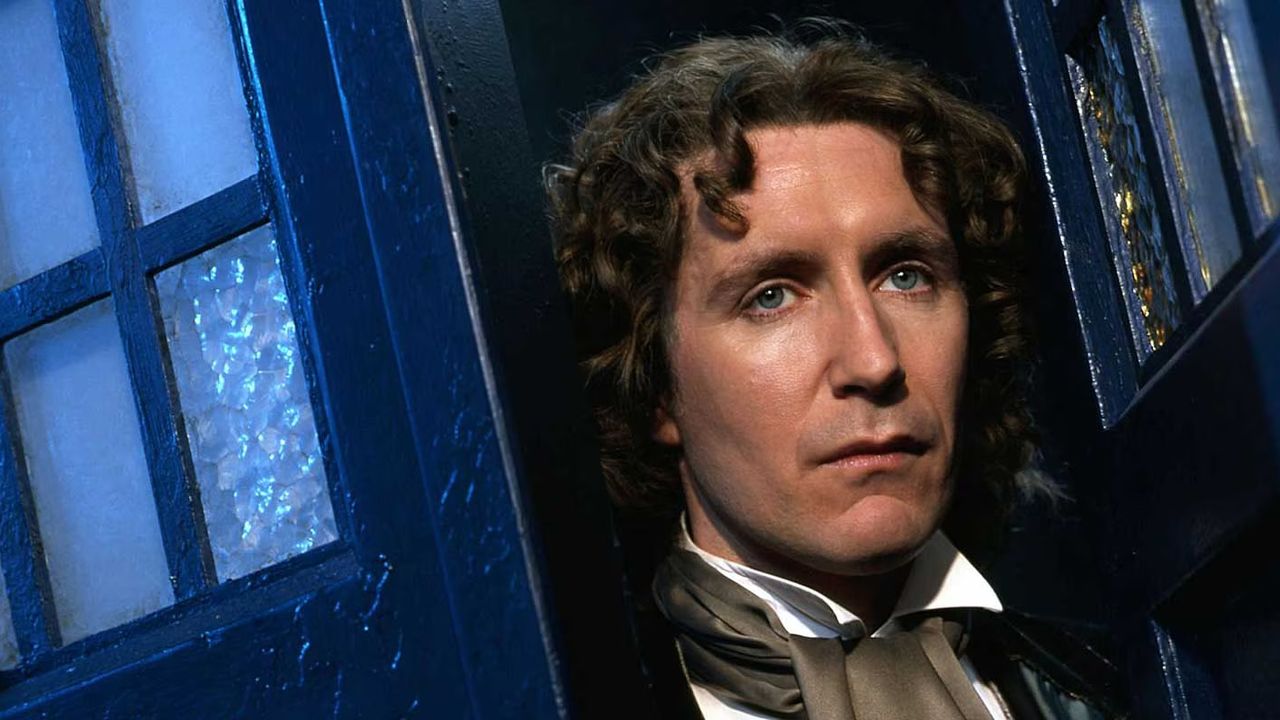
The Transatlantic Alliance: BBC Meets Fox
After the original series was cancelled in 1989, the BBC sought to revive the franchise in a way that would attract international funding. Fox, eager to launch a new sci-fi property, saw potential in the iconic Doctor. The result was a co-production: the BBC would handle creative oversight, while Fox contributed budget and a prime-time slot on the Fox network. The movie was intended as a backdoor pilot for a new series, but the cultural clash between the two production cultures would prove decisive.
Casting the Eighth Doctor: Paul McGann Steps In
The role of the Doctor went to Paul McGann, whose intense, romantic interpretation brought a fresh energy. His casting was a deliberate attempt to appeal to a younger, more American demographic. Sylvester McCoy briefly reprised the Seventh Doctor in a prologue, only to be killed off—a controversial move that replaced the classic camp with a darker, more violent tone. Eric Roberts was cast as the Master, adding Hollywood star power but also a melodramatic villainy that felt out of step with British Doctor Who tradition.
A Tale of Two Audiences: Too British for America, Too American for the UK
The movie's central problem was its attempt to straddle two vastly different television cultures. For American viewers, the story was confusing—laden with British cultural references and a mythology that had never aired on US screens. The pacing felt slow, and the half-human twist for the Doctor (revealing his mother was human) struck many as a gimmick to make him more relatable. For British fans, the movie was an exercise in cultural surrender.
Americanizing the Doctor
Fox executives demanded changes to make the Doctor more accessible: a love interest (Grace Holloway, played by Daphne Ashbrook), a faster plot, and a modernized TARDIS interior. The Doctor's character was softened, with less eccentricity and more conventional heroism. The movie even flirted with a romantic subplot—unheard of in the original series—which alienated purists who cherished the Doctor's asexual detachment.
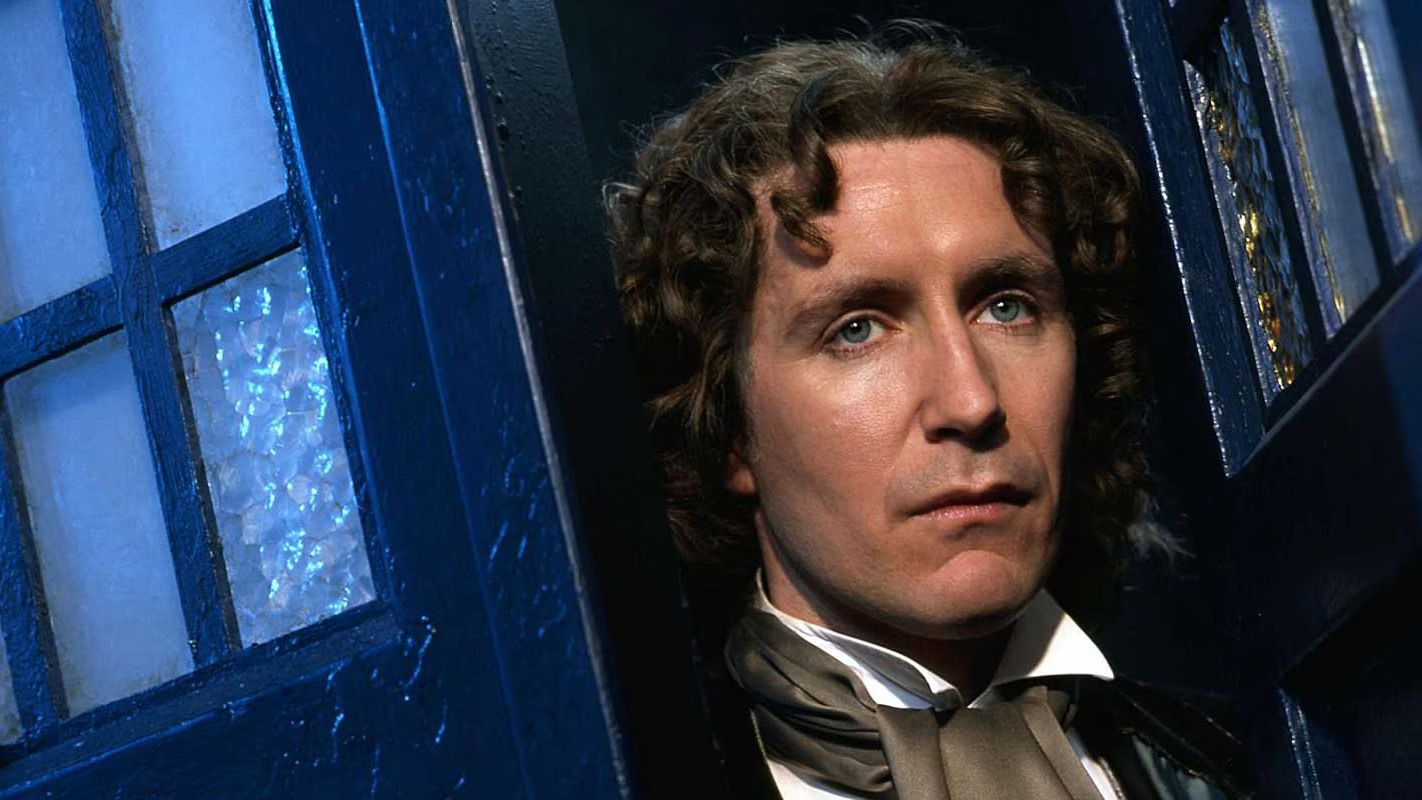
Alienating British Fans
British audiences recoiled at the sanitization of their beloved character. The decision to kill off the Seventh Doctor off-screen, the focus on a humanized Time Lord, and the heavy-handed American-style action sequences felt like a betrayal. The movie was also criticized for its uneven tone, juggling dark violence (a car crash, a gunshot) with silly humor (a doctor examining the Time Lord's two hearts). Ratings in the UK were modest, but fan backlash was fierce.
Legacy and Aftermath: A Stepping Stone to Revival
Despite its commercial and critical failure, the 1996 movie paved the way for Doctor Who's triumphant return in 2005. It kept the franchise alive in the public consciousness, introduced Paul McGann's beloved Eighth Doctor (who later flourished in audio dramas), and demonstrated that a global audience existed—if the formula could be refined. The movie's lessons about balance—respecting British roots while embracing modern storytelling—were later applied by Russell T Davies in the 2005 reboot, which succeeded where the 1996 film stumbled.
Conclusion: A Beautiful Failure
Thirty years on, the Doctor Who TV movie is remembered as a noble, if misguided, attempt to revive a cultural icon. Its flaws highlight the challenges of cross-cultural adaptation, but its ambition remains admirable. For fans, it is a curious footnote—a time when the Doctor was caught between two worlds and pleased no one, yet still managed to keep the flame alive for a future regeneration.
Related Articles
- Witness a Celestial Triangle: Mars, Saturn, and the Moon Align Before Dawn on May 14
- Inside The Gentlemen RaaS: 10 Key Insights from the SystemBC Proxy Attack
- How to Implement Agentic R&D with Microsoft Discovery: A Step-by-Step Guide
- Thinking Smarter: 8 Key Insights on Test-Time Compute and Chain-of-Thought
- The Bizarre Evolution of a Predatory Fruit Fly That Hunts Underwater
- Mastering Calm During High-Stress Workdays: Your Q&A Guide
- Military Space Defense and Lunar Ambitions: This Week in Rocketry
- 7 Key Differences That Make the Motorola Razr Fold a Stronger Contender Than the Galaxy Z Fold 7