10 Key Insights Into Lotus's Canadian EV Delivery and Geely's Strategic Move
Discover how Geely is leveraging Lotus to test the Canadian market, potentially paving the way for its own brand expansion. This article explores the significance of the first 18 Chinese-made EVs delivered to Canada.
1. The First Batch of 18 EVs Arrives in Canada
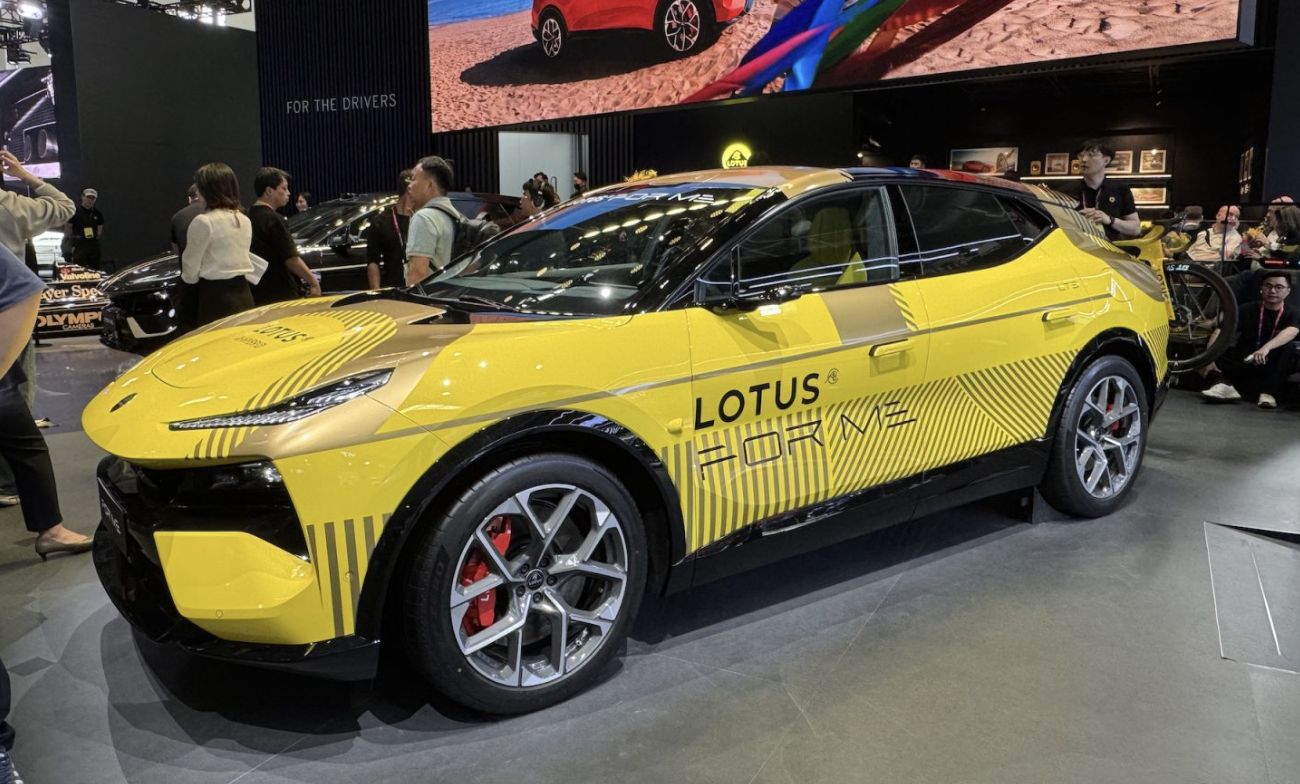
In a quiet yet decisive move, Lotus—owned by Chinese automotive giant Geely—has shipped its initial 18 all-electric vehicles to Canada. These cars, manufactured in China under Lotus's supervision, mark a milestone as the first Chinese-produced EVs to enter the Canadian market. The shipment includes models like the Lotus Eletre and Emeya, both high-performance luxury EVs. While 18 units may seem modest, this test batch allows Lotus to gauge Canadian consumer response, regulatory compliance, and logistics before a larger rollout.
2. Canada as a Strategic Gateway for Chinese EVs
Canada poses an attractive entry point for Chinese automakers due to its growing EV incentives and relatively open trade policy compared to the U.S. Unlike the American market, which imposes a 27.5% tariff on Chinese-built cars, Canada's tariff is only 6.1%. This lower barrier makes Canada an ideal testing ground for Geely to assess demand, adapt to local regulations, and fine-tune its distribution network before considering a U.S. push. The Lotus shipment signals a deliberate strategy to establish a foothold in North America via an established British brand.
3. Lotus: A Performance Brand with Heritage
Lotus brings a legacy of lightweight sports cars and racing pedigree, but under Geely's ownership, it has pivoted to electric luxury. The brand's transformation into an EV manufacturer—with models like the Eletre SUV—retains its performance DNA while embracing Chinese engineering and supply chains. This duality makes Lotus a unique vehicle for Geely: it carries British cachet but leverages Chinese cost efficiencies. In Canada, Lotus competes with Porsche, Tesla, and Audi in the premium EV segment, appealing to enthusiasts who value both heritage and cutting-edge technology.
4. Geely’s Ownership and Global Ambitions
Geely acquired Lotus from Proton in 2017, investing heavily in the brand's revival and electrification. The Chinese conglomerate, also owner of Volvo, Polestar, and Zeekr, aims to become a global EV powerhouse. The Lotus shipment to Canada aligns with Geely's broader strategy of using acquired Western brands to gain market access—a tactic proven with Volvo's success. By positioning Lotus as a “Trojan horse,” Geely can test Canadian consumer behavior and regulatory landscapes without directly confronting potential backlash against its own nameplate.
5. Lotus Technology’s Nasdaq Listing
In early 2024, Geely spun off its EV technology division as Lotus Technology and listed it on Nasdaq. This entity focuses on developing EV platforms and software, supplying not only Lotus but other automakers. The Canadian market serves as a critical proving ground for this technology. Early sales data and customer feedback from Lotus’s Canadian operations will help Lotus Technology refine its products and potentially attract partners or investors. The Nasdaq listing also provides Geely with a U.S. currency war chest to fund further expansion.
6. Navigating Trade Barriers and Tariffs
While Canada currently imposes a 6.1% tariff on Chinese-made passenger cars, this could change. The recent U.S. tariffs—raising duties on Chinese EVs to 100%—have prompted Canada to review its own policies. Industry experts speculate that Canada may follow suit, especially given pressure from domestic automakers. Lotus’s early entry helps Geely establish a sales and service network before potential tariff hikes. Should protectionist measures increase, Lotus could eventually assemble vehicles in its U.K. or even in a future Canadian plant, mitigating duties.
7. British Brand, Chinese Manufacturing
The Lotus EVs shipped to Canada were built in Geely's Chinese factories, not at the historic Hethel headquarters in the U.K. This manufacturing model underscores Geely’s strategy: maintaining Lotus’s design and engineering headquarters in Britain while mass-producing vehicles in low-cost Chinese facilities. For Canadian buyers, this means they get a Lotus at a competitive price point—around CAD $140,000 for the Eletre—without sacrificing the brand’s British-inspired aesthetics. However, purists may question the vehicle’s provenance, a sentiment Geely is likely monitoring.
8. A Precursor to Geely-Branded Cars?
The big question is whether Geely will eventually sell its own-brand cars in North America. Currently, Geely sells vehicles under its own name in China and emerging markets but has avoided North America due to brand perception and trade tensions. The Lotus experiment in Canada provides invaluable data on consumer preferences, charging infrastructure, and regulatory hurdles. If successful, it could embolden Geely to introduce more affordable models—perhaps under the Zeekr or Geely badge—in the next few years, leveraging the same dealer network established by Lotus.
9. Impact on Canada’s EV Market and Competition
Canada’s EV market is dominated by Tesla, followed by traditional automakers like Ford and Chevrolet, and newer entrants like Hyundai-Kia. Lotus enters as a niche luxury player, but its presence signals heightened competition. The Eletre SUV, for example, challenges the Tesla Model X and Audi e-tron GT with its claimed 600 km range and 901-horsepower output. Over time, if Geely expands via a mass-market brand, Canadian consumers could see more affordable Chinese EVs, driving down prices and increasing adoption—a welcome trend for buyers but a threat for legacy automakers struggling with margins.
10. Geely's Broader North American Strategy
The Canadian Lotus launch is just one piece of Geely’s multifaceted North American plan. The company already owns Polestar, which sells in the U.S. and Canada, albeit with limited volumes. Additionally, Geely has partnered with Foxconn to produce EVs under contract. By testing Canada with Lotus, Geely can refine its supply chain, customer service, and regulatory compliance before a potential entry into the U.S. market. The company’s long-term vision likely includes manufacturing in Mexico to circumvent tariffs, similar to Tesla and BYD. For now, all eyes are on those 18 Lotus EVs rolling through Canadian ports.
Conclusion
Geely’s first shipment of 18 Lotus EVs to Canada is far more than a token gesture—it is a calculated probe into one of the world’s most competitive auto markets. By using a storied British brand as its spearhead, Geely minimizes political and reputational risk while gathering essential data. Whether this leads to a full-scale Geely brand invasion or remains a niche play depends on tariffs, consumer acceptance, and regulatory winds. One thing is certain: the Chinese automotive giant is methodically laying the groundwork for a North American presence, and the Lotus badge is its elegant key.
Related Articles
- The BYD Song Ultra EV: Revolutionizing Electric SUVs with 5-Minute Charging
- How Massachusetts Locked in Cheaper Offshore Wind Power and Saved $1.4 Billion
- WattEV Secures 370 Tesla Semis in Historic California Electric Truck Deal
- 6 Astonishing Facts About Interstellar Comet 3I/ATLAS and Its Alien Water
- From Sea to Solid Ground: V8's Transition from Sea of Nodes to Turboshaft
- Massachusetts Secures $1.4 Billion in Customer Savings with Landmark Offshore Wind Deal
- Xiaomi's Second-Gen SU7 Steals Show at Beijing Auto Expo, Signaling China's Unstoppable EV Dominance
- Motorola's First Book-Style Foldable: The $1,900 Razr Fold with Snapdragon 8 Gen 5 and 6,000mAh Battery