How Pearl Abyss Turns Player Feedback into a Live Service for Crimson Desert
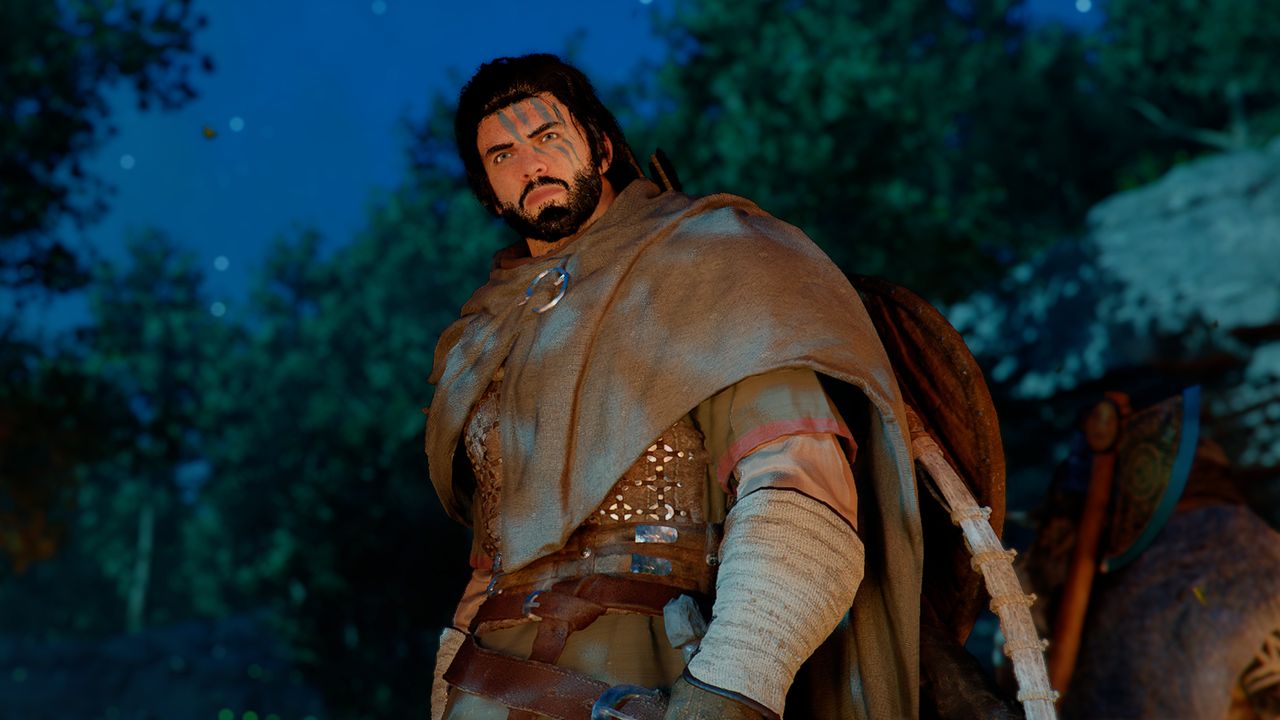
At first glance, Crimson Desert might look like a traditional singleplayer RPG—a sprawling open world, a story-driven campaign, and a focus on solo exploration. But the game's rapid evolution in response to player feedback tells a different story. Pearl Abyss, the studio behind the popular MMO Black Desert, is applying its live-service mindset to a singleplayer title, and the results have been anything but conventional.
A Living Roadmap Without Presumptions
Will Powers, Pearl Abyss's director of marketing and public relations, explained in a recent interview with The Washington Post that the team's approach isn't dictated by rigid schedules. “There was no official communicated roadmap with set-in-stone dates,” he said. “Everything, patch-wise, content-wise, has been iterated in real time based on feedback, based on response.” Instead of locking in a plan months ahead, the studio watches what players are saying and adjusts on the fly. “If you bake in a roadmap, you’re presuming,” Powers added. “We are not baking in presumptions around what the players want.”
From MMO Roots to Singleplayer Service
For a typical game studio, such a reactive patch cadence would be unusual—even risky. But Powers emphasizes that this is standard operating procedure for Pearl Abyss, thanks to years of running the online game Black Desert. “That is not normal in the industry. That is normal here,” he stated. The MMO mindset—constantly monitoring community sentiment, deploying quick updates, and treating the game as a living platform—has been carried over into Crimson Desert's development cycle. The result is a singleplayer RPG that feels as responsive as any live-service title.
Player-Driven Features: From Helmet Hiding to Difficulty Options
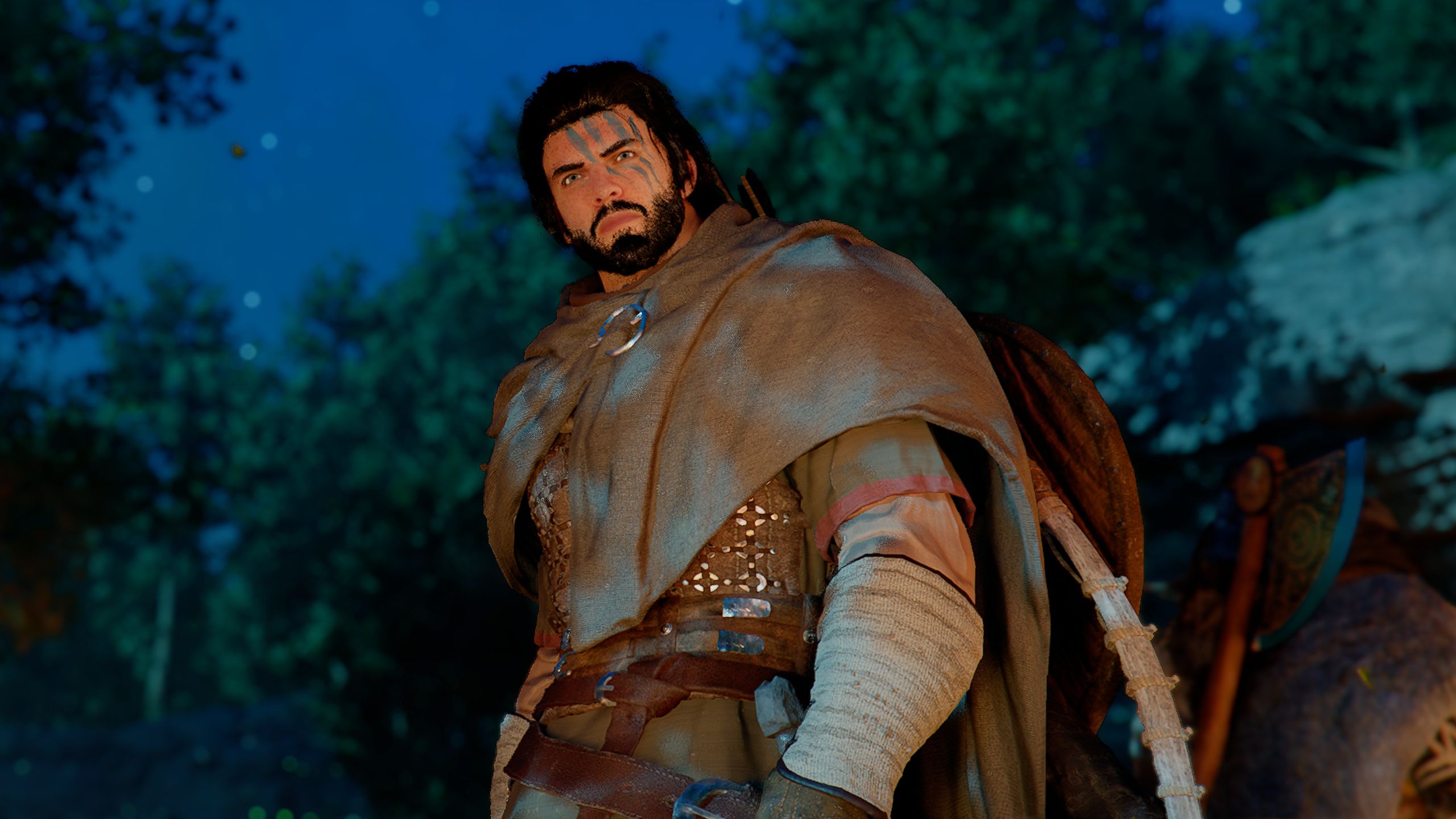
The impact of this feedback loop is visible in the game itself. Shortly after release, players asked for a 'hide helmet' toggle—and within a patch, it appeared. Movement controls, which felt clunky at launch, were overhauled in just a few weeks, while a “classic” control option was kept for those who preferred the original. When the difficulty proved divisive, Pearl Abyss introduced a slew of new difficulty options so everyone could find their sweet spot. These are not minor tweaks; they represent significant changes rolled out with surprising speed.
The Ego-Free Approach to Ideas
This willingness to listen goes beyond bug fixes or quality-of-life improvements. “We’re not onerous about, if an idea didn’t come from us, then it can't be in the game,” Powers told The Post. He contrasted this with other companies that are “too ego-driven a lot of the time to be able to accept other people's ideas. It's almost Silicon Valley-esque.” For Pearl Abyss, a good idea can come from anywhere—whether from a community forum, social media, or internal brainstorming—and they act on it.
Community Passion and Ownership
The approach has fostered an enthusiastic community. PC Gamer's online editor Fraser Brown described the fandom as “pretty dang wholesome” and noted that this sense of shared development might be “critical to the game's success.” By letting players place a hand on the wheel, Pearl Abyss gives them a feeling of partial ownership. If players know that their requests might actually be implemented within weeks, they become more invested in discussing the game and spreading the word. While other titles like Old School RuneScape use player polls to decide major updates, Crimson Desert stands out because it is primarily a singleplayer RPG—a genre not known for such rapid, community-driven iteration.
Ultimately, Crimson Desert proves that a singleplayer game can benefit from the live-service playbook, as long as the studio has the infrastructure and mindset to act quickly. For Pearl Abyss, this rapid response is business as usual. For the rest of the industry, it's a glimpse of how games might evolve in the future—shaped by the people who play them.
Related Articles
- Magic: The Gathering to Unleash 'The Hobbit' Expansion This August, Building on Lord of the Rings Success
- Kingdom Come Actor Tom McKay Envisions His Ideal Lord of the Rings Role
- Streamlining Your Cloud Library: A Guide to GeForce NOW's New Game Discovery Features
- Clint Hocking's New Studio: Build Machine Games – Q&A on His Exit from Ubisoft and Future Plans
- 10 Things to Know About Warhorse's Next RPG and the Lord of the Rings Rumors
- Fallout 1 Now Playable Inside Fallout 4's Pip-Boy Thanks to Innovative Mod
- Half-Life 2's Infamous Sewer Puzzle Was Even Tougher in Original Release, Analysis Reveals
- How to Harness GeForce NOW's RTX 5080 Power to Stream May's Biggest Game Releases