Volkswagen ID.Buzz Price Cut: A Strategic Buyer's Guide
Overview
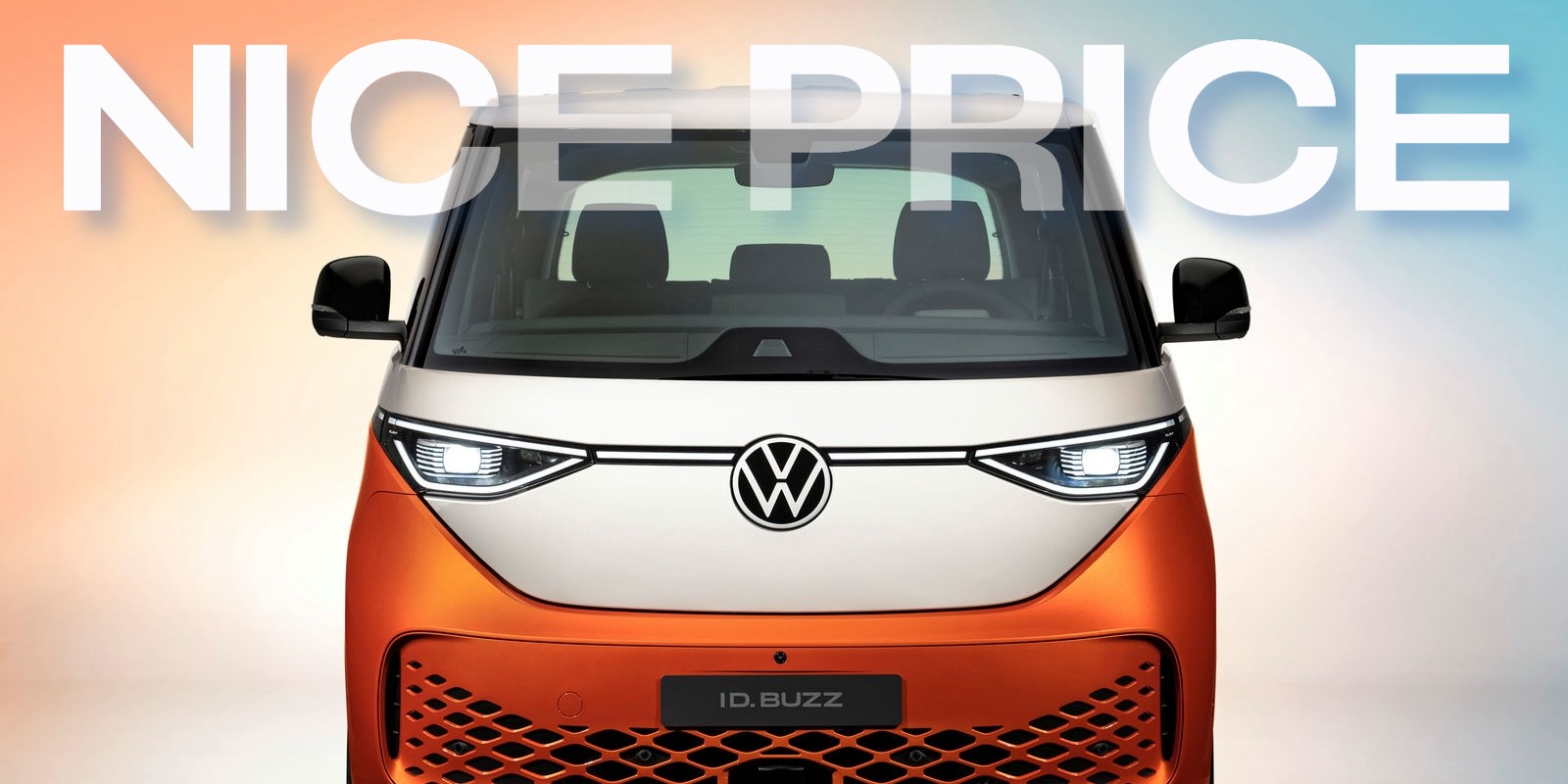
Volkswagen's all-electric ID.Buzz minivan originally targeted nostalgic baby boomers, evoking the iconic Microbus of the 1960s. However, its initial U.S. launch price of $70,000 proved too steep for the very demographic it hoped to attract. Recent dealer advertising shows the premium van now available for under $49,000—a significant drop that could rekindle interest. This guide walks you through the implications of that price reduction, what it means for buyers, and how to approach a purchase decision in this new pricing landscape.
Prerequisites
Before diving into the details, ensure you have a clear understanding of your own requirements and constraints. Consider the following:
- Budget range: Are you comfortable with a vehicle under $50,000? Factor in tax incentives, destination fees, and optional equipment.
- Electric vehicle readiness: Do you have home charging capability, or are you reliant on public infrastructure? The ID.Buzz uses a 91 kWh battery (target range ~260 miles).
- Space and usage needs: The ID.Buzz seats up to seven people. Evaluate if a minivan format suits your family or lifestyle.
- Nostalgia vs. practicality: While the retro design appeals, the vehicle is a modern EV. Balance emotional attraction against total cost of ownership.
Step-by-Step Evaluation of the ID.Buzz Price Drop
1. Understand the Price Shift
Originally, Volkswagen positioned the ID.Buzz as a premium offering, with dealer-launch prices hovering around $70,000. That price alienated the baby boomer market—exactly the group that held the fondest memories of the original VW Bus. Now, dealers are advertising the same vehicle for under $49,000. This represents a reduction of about 30%, making it competitive with many mid-range electric SUVs.
What changed? Likely a combination of slower-than-expected sales, increased production efficiency, and a strategic pivot to capture a broader audience. For you, the buyer, this means an unexpected opportunity to get an iconic EV at a more accessible price point.
2. Compare Old vs. New Pricing
- Original MSRP (2024 launch): Approximately $70,000.
- Current dealer advertised price: $49,000 or less (before any federal or state EV incentives).
- Key savings: $21,000+ off the sticker, potentially larger with negotiation.
When evaluating, check if the lower price includes the same trim and battery options. Some dealers may strip out features to achieve the lower number. Look for the “Pro S” or “1st Edition” specifics to ensure you’re not losing essential equipment.
3. Assess the Target Demographic
Volkswagen originally aimed the ID.Buzz at baby boomers (ages ~60–78) who could afford a $70,000 nostalgic purchase. Many in that group, however, are on fixed incomes or prioritize retirement savings. The new sub-$49,000 price opens the door to:
- Younger families (Gen X and Millennials) looking for a spacious EV.
- Eco-conscious buyers who couldn’t justify a $70k vehicle.
- Commercial fleets (the cargo variant) that now see a lower upfront cost.
4. Check Inventory and Dealer Incentives
Not all dealers participate in the low pricing. Use VW’s inventory tool or third-party sites to locate dealers offering the under-$49,000 deal. Pay attention to:
- Dealer markups or add-ons (e.g., protection packages, fees).
- Whether the price includes the required destination charge (typically ~$1,500).
- Any manufacturer incentives (e.g., VW’s own lease deals or loyalty bonuses).
5. Factor in EV Tax Credits
The ID.Buzz may qualify for the federal IRA tax credit of up to $7,500, depending on final assembly location and battery sourcing. Confirm with the dealer. Combined with the price drop, effective cost could be as low as $41,500. State and local rebates add further savings.

6. Test Drive and Evaluate Range
Visit a dealership and schedule a test drive. The ID.Buzz’s driving experience differs from other EVs due to its van body and weight. Pay attention to:
- Acceleration (0–60 mph in ~5.5 seconds for dual-motor AWD).
- Interior space and cargo volume.
- Infotainment usability (VW’s system has known quirks).
- Real-world range under your typical driving conditions.
Common Mistakes to Avoid
- Assuming the $49k price is universal: Not all dealers have slashed prices. Always verify the exact out-the-door quote.
- Ignoring trim differences: A base model at $49k may lack features like the panoramic roof, larger wheels, or upgraded sound system. Decide what you can live without.
- Overlooking total cost of ownership: Insurance, charging installation, and maintenance for VW EVs can be higher than some competitors. Get insurance quotes before committing.
- Rushing into a nostalgia buy: Just because the price is lower doesn’t mean it’s the right vehicle. The ID.Buzz is still a large, heavy EV with limited charging infrastructure support compared to Tesla’s Supercharger network (though VW is adopting NACS in 2025).
- Forgetting about depreciation: The rapid price drop may affect resale value in the near term. If you plan to sell within 3–5 years, factor that in.
Summary
Volkswagen’s ID.Buzz has undergone a dramatic price correction from $70,000 to under $49,000, making it a compelling option for a wider audience. Baby boomers who once dreamed of a modern Microbus can now afford it, but younger families and EV enthusiasts should also take notice. This guide provided a step-by-step framework to evaluate the deal: understand the price shift, compare trims, check dealer inventory, leverage tax credits, and test drive before buying. Avoid common pitfalls like assuming universal pricing or buying on nostalgia alone. With the right approach, the ID.Buzz at its new price point could be the electric minivan that finally makes sense.
Related Articles
- Sharing the American Dream: A Path to Guaranteed Minimum Income
- Crypto Exchange Grinex Blames Western Intelligence for $15M Hack, Shuts Down Operations
- Exploring Digital Finance: Key Questions About HederaCon 2026 in Miami Beach
- MSTR Surges 9% as Bitcoin Rebounds to $78K; Saylor's STRC Preferred Stock Steals Spotlight
- Volkswagen Takes Major Stake in Rivian, Eyes Software Not Trucks
- iPhone 17 Demand Drives Apple to Record Q1 Smartphone Revenue, Counterpoint Report Reveals
- How to Integrate AI into Finance: A Practical Guide for Leaders
- Sovereign Bitcoin: 10 Key Updates on Mubadala’s Growing Crypto Stake in Q1 2026