iOS 26: The Year After – Why the Real Story Isn't Liquid Glass but AI's Quiet Revolution
A year ago, the launch of iOS 26 ignited passionate debates across social media. Critics pounced on the controversial Liquid Glass design language, drawing comparisons to the seismic shift of iOS 7. But a full year of daily use has revealed a different truth: the real story isn't a superficial aesthetic change. It's about what Apple didn't deliver – and how that might actually be the company's boldest AI move.
After twelve months of hands-on experience, many iPhone users have come to realize that Liquid Glass, while polarizing, was never the core issue. The genuine elephant in the room is Apple Intelligence, which remains frustratingly behind schedule. Yet, as we dive deeper into iOS 26's impact, a more nuanced narrative emerges – one of strategic patience, underlying feature improvements, and a long-term AI vision that could redefine the smartphone landscape.
1. The Liquid Glass Hype Was Overblown
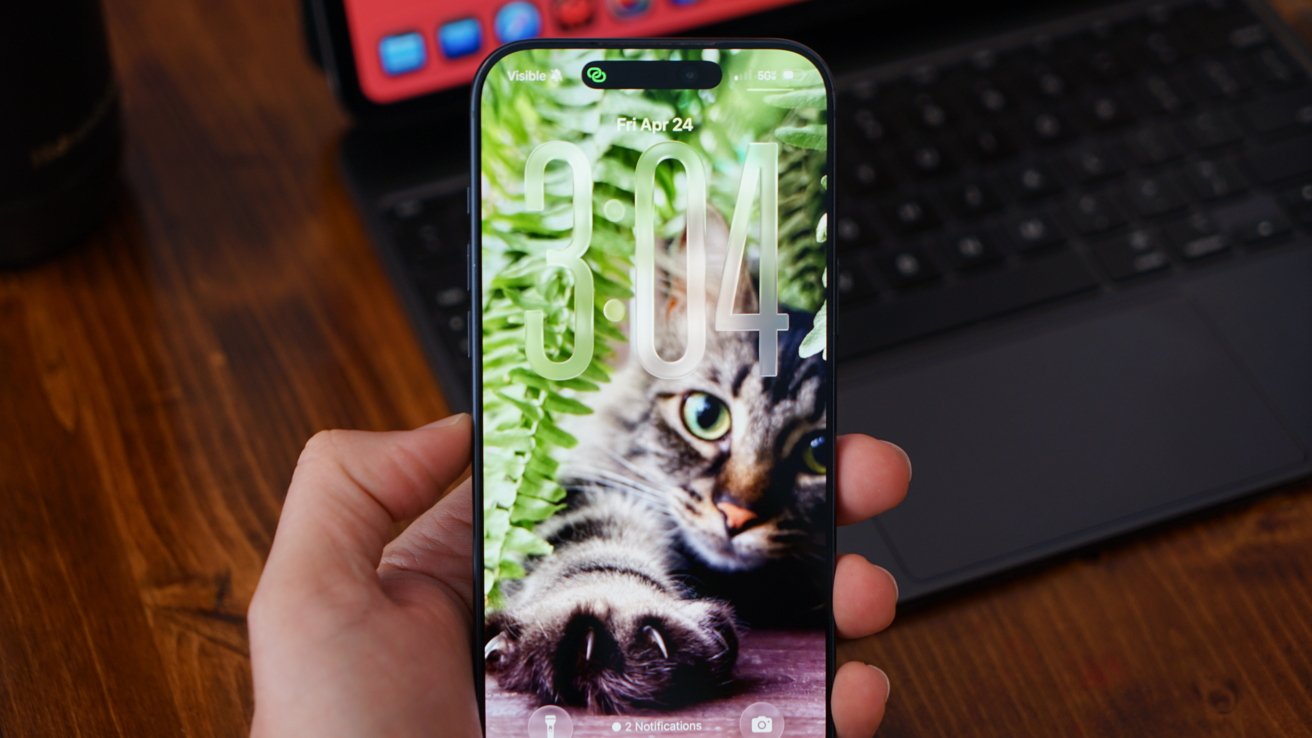
When iOS 26 debuted, its Liquid Glass material dominated headlines. Critics complained about excessive translucency, blur effects, and the perceived lack of readability. However, a year of real-world usage shows these objections were exaggerated. Apple refined the material through subsequent updates, and users adapted to the new aesthetic. The real mistake was equating a visual refresh with the magnitude of iOS 7's overhaul. Liquid Glass didn't change how we interact with our iPhones; it just gave them a new coat of paint. The controversy masked more significant issues that have only become clear over time.
2. Apple Intelligence: The Missing Piece
The most critical shortcoming of iOS 26 is the absence of a fully revitalized Apple Intelligence. While Apple promised a smarter, more proactive Siri and context-aware system features, the launch delivered only incremental updates. Users waiting for on-device machine learning that rivals Google Assistant or ChatGPT integrations were left disappointed. This gap isn't just a feature delay – it exposes a strategic divergence. Apple chose to prioritize privacy and on-device processing over cloud hype, which meant slower rollout but potentially more secure intelligence. One year later, that trade-off remains controversial among power users.
3. Why iOS 26 Was Never iOS 7 2.0
Social media needed iOS 26 to be as controversial as iOS 7, but the comparison is flawed. iOS 7 completely flattened skeuomorphism and reinvented navigation; iOS 26 merely refined an existing visual language. Liquid Glass adds depth through translucency rather than removing it. The narrative that Apple had another “Jobs-vs-Federighi” moment was largely manufactured. In reality, the two updates serve different eras: iOS 7 was a fundamental reset, while iOS 26 is an iterative refinement. Understanding this difference helps explain why some complaints are more about perception than actual usability.
4. Hidden Daily Improvements That Mattered
Away from the fuss over Liquid Glass, iOS 26 quietly improved everyday tasks. The redesigned Widgets now resize fluidly, the Notification Center groups alerts more intelligently, and the Photos app gained a smarter search that uses context rather than just keywords. These changes sound minor but dramatically reduce friction. For example, the new Focus mode integrates with Smart Stacks, automatically switching widgets based on your activity. Battery management also saw optimizations that extend uptime without sacrificing performance. These underappreciated enhancements are why many users, after a year, find iOS 26 more pleasant than they initially admitted.
5. App Updates That Quietly Won Users Over
First-party apps received crucial updates in iOS 26 that didn't make headlines but improved functionality. Messages now supports scheduled sends and better audio transcription. Safari gained a tab organization system that feels like having an assistant. Even the Weather app – often overlooked – added minute-by-minute precipitation alerts that are eerily accurate. These updates may lack the flash of a new design language, but they reinforce why Apple's ecosystem feels cohesive. They also highlight how third-party developers are leveraging new APIs to create experiences that rival those on competing platforms.
6. The AI Strategy: Slow and Deliberate
Apple's approach to AI in iOS 26 appears embarrassingly slow compared to rivals, but there's method in the delay. The company is building a foundation of on-device machine learning that respects user privacy. Rather than sending data to cloud servers, features like on-the-fly photo editing suggestions, keyboard predictions, and health insights all run locally. This commitment to privacy means Apple can't release half-baked features that depend on constant server communication. One year on, this deliberate pace is starting to pay off with more consistent, secure results – even if the feature set remains modest.

7. Why the Embarrassing Start Could Be Apple's Victory
It's easy to dismiss Apple's slow AI rollout as a failure, but history suggests a different outcome. The original iPhone lacked MMS and copy-paste, yet it redefined smartphones. Similarly, Apple's later entry into AI may allow it to leapfrog competitors by avoiding their mistakes. Unlike Google's Assistant – which has already faced privacy scandals – Apple's system is being built from the ground up with trust in mind. The “embarrassment” of late features might actually be the best long-term strategy. A year later, early signs show that Apple's AI features, once adopted, are used more consistently than rivals' flashy experiments.
8. Social Media's Role in Distorting Reality
Social media amplified the negatives of iOS 26 because controversy drives engagement. The Liquid Glass complaints became a meme, drowning out substantive discussion about missing AI features. This created a feedback loop where every minor bug was framed as a catastrophe. After a year of real-world use, independent surveys show most users are satisfied or neutral about iOS 26. The disparity between online outrage and offline satisfaction is a lesson in how digital echo chambers can warp product narratives. For Apple, this means marketing must bridge the gap between perception and reality.
9. What Apple Intelligence Still Promises but Hasn't Delivered
Looking ahead, iOS 26 set a roadmap for Apple Intelligence that remains incomplete. Features like proactive location-based suggestions, advanced on-device language models, and deeper Siri integration with third-party apps are still on the horizon. Users want Siri to understand context across apps, something Google Assistant does well. Apple's answer – wait for a more refined approach – frustrates those who crave immediate parity. However, the company's track record with delayed features (like widgets in iOS 14) shows that when Apple finally releases them, they often exceed expectations. One year later, patience is wearing thin, but the potential payoff is enormous.
10. Where iOS 26 Stands After 365 Days
One year after its release, iOS 26 has settled into a stable, functional state. The Liquid Glass controversy has faded, replaced by acknowledgement of its underrated UX benefits. The real story is Apple's AI strategy: a quiet revolution that prioritizes privacy over speed. While many features are still pending, the foundation laid in iOS 26 is solid. Users who upgraded early have seen incremental improvements through point releases. For those still on iOS 25, the upgrade is now recommendable – not because of Liquid Glass, but because of the hidden enhancements and the promise of what's yet to come. iOS 26 may not be the revolution some wanted, but it's a carefully crafted evolution.
One year after its release, iOS 26 deserves a more nuanced verdict than the initial frenzy suggested. The Liquid Glass saga was a distraction, not a disaster. The real narrative revolves around Apple's deliberate – some might say painfully slow – approach to artificial intelligence. Yet, as we look at the broader smartphone landscape, Apple's commitment to on-device privacy and iterative improvement positions it uniquely. Will the company's gamble on a slower AI rollout pay off? Only time will tell. But for now, iOS 26 stands as a reminder that not all revolutionary changes are loud; some are built quietly, one update at a time.
Related Articles
- 7 Key Changes with Flutter’s Swift Package Manager Default
- 5 Crucial Insights Into YouTube TV's Latest Carriage Deal with Allen Media Group
- Google Home Restores Full RGB Light Color Controls After April Bug
- 5 Things You Need to Know About pluck vs. select in Rails
- Apple's Record Quarter: Demand Overflow and Supply Challenges Explained
- Flutter Drops CocoaPods: Swift Package Manager Becomes Default Dependency Manager from Version 3.44
- React Native 0.84: What You Need to Know About the Latest Update
- 5 Essential Insights into React Native for Meta Quest Development