10 Fascinating Facts About Earth's Mysterious Ring Current and the New Mission to Uncover Its Secrets
Deep in the space surrounding our planet, a doughnut-shaped belt of energetic particles known as the ring current flows—a phenomenon that has puzzled scientists for decades. Its origins and behavior are critical to understanding space weather, which can disrupt satellites, power grids, and communications. To unravel these mysteries, NASA and the U.S. Space Force are launching a groundbreaking mission later this month. Here are 10 things you need to know about this enigmatic current and the effort to study it.
1. What Is the Ring Current, Exactly?
The ring current is a donut-shaped region of charged particles—mainly protons and electrons—that encircles Earth at altitudes between 10,000 and 60,000 kilometers. It sits within the magnetosphere, the magnetic bubble that shields us from solar wind. These particles are trapped by Earth's magnetic field lines and drift around the planet, creating a weak electric current. During geomagnetic storms, the ring current intensifies, injecting more energy and particles, which can cause magnetic disturbances on the ground. Understanding its dynamics is key to predicting space weather impacts.
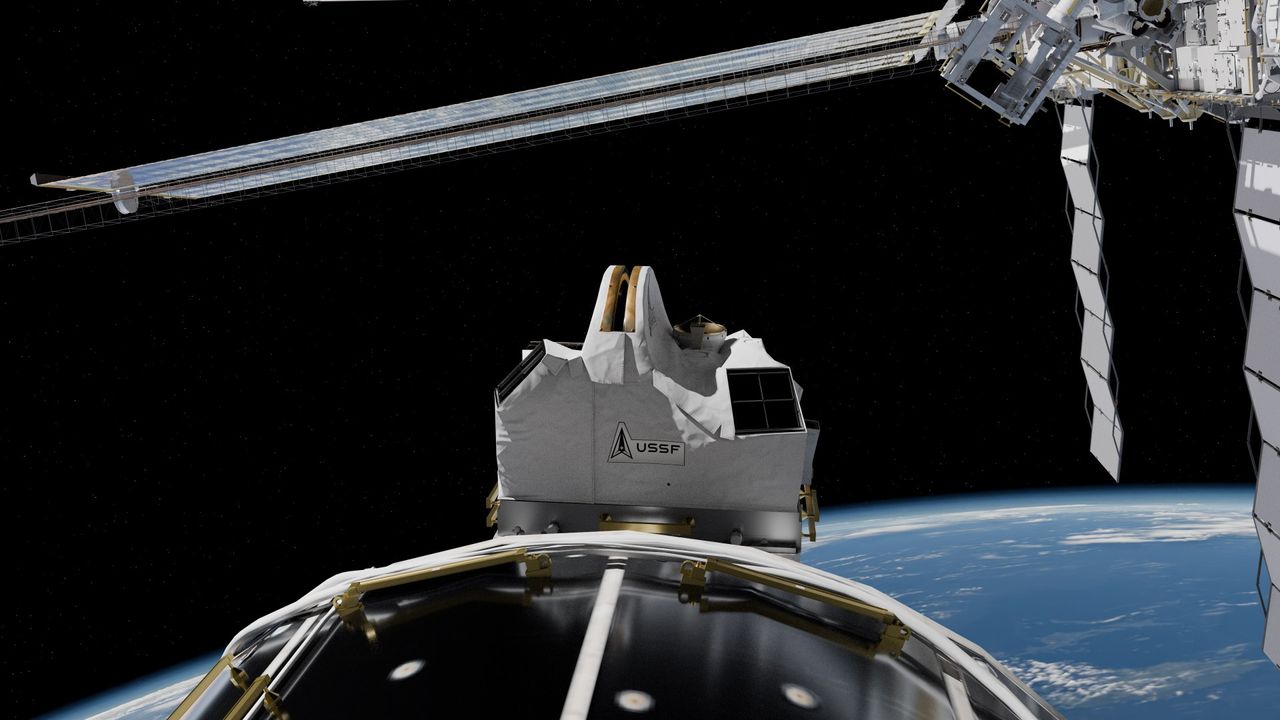
2. Why Is It So Hard to Study?
The ring current is notoriously difficult to observe because it lies in a region of space that is challenging for satellites. Most spacecraft orbit either close to Earth (low Earth orbit) or far away (geostationary orbit). The ring current occupies a middle zone that is rarely visited by dedicated instruments. Additionally, the particles are energetic enough to damage sensitive electronics but not always intense enough to be easily detected from afar. Ground-based radar and magnetometers can infer its effects, but direct in-situ measurements have been scarce. This mission will fill that critical gap.
3. The Mission: A Joint Effort by NASA and the U.S. Space Force
Slated for launch later this month, the mission—currently called the Space Weather Follow-On - Ring Current (SWFO-RC)—is a collaboration between NASA and the U.S. Space Force. It will carry a suite of instruments designed to measure particle energy, composition, and magnetic fields. The spacecraft will orbit in a highly elliptical path that cuts through the heart of the ring current. By gathering data over several months, scientists hope to create the first comprehensive map of this elusive phenomenon. This partnership blends NASA's scientific expertise with the Space Force's operational needs for space weather monitoring.
4. What Drives the Ring Current's Intensity?
The ring current's strength fluctuates with solar activity. During coronal mass ejections or solar flares, the ring current can swell dramatically, sometimes increasing by a factor of ten. These geomagnetic storms push more particles from the solar wind into Earth's magnetosphere, where they become trapped and energized. The exact mechanisms—whether particles are injected directly from space or accelerated from within—remain debated. This mission will monitor the current in real time, helping to differentiate between these processes and improve storm forecasting.
5. How Does It Affect Life on Earth?
When the ring current intensifies, it can induce electrical currents in long conductors such as power lines and pipelines. These geomagnetically induced currents (GICs) have caused blackouts, like the famous 1989 Quebec outage. They also disrupt GPS signals and can damage satellite electronics. For astronauts on the International Space Station, increased radiation during strong storms poses health risks. By understanding the ring current's behavior, scientists can warn operators to shut down vulnerable systems, minimizing economic and safety impacts. This mission is as much about protecting technology as it is about pure science.
6. A Closer Look at the Instruments Onboard
The SWFO-RC spacecraft carries three main instruments: an ion spectrometer to measure particle masses and energies, a fluxgate magnetometer to map magnetic field changes, and a energetic particle detector for high-energy electrons and protons. Together, they will sample the ring current from multiple angles as the spacecraft loops through it. One crucial tool is a newly developed energetic neutral atom imager, which can 'see' the ring current indirectly by detecting neutral particles created when charged ions collide with exosphere atoms. This technique gives a global picture without the spacecraft having to be inside the current.
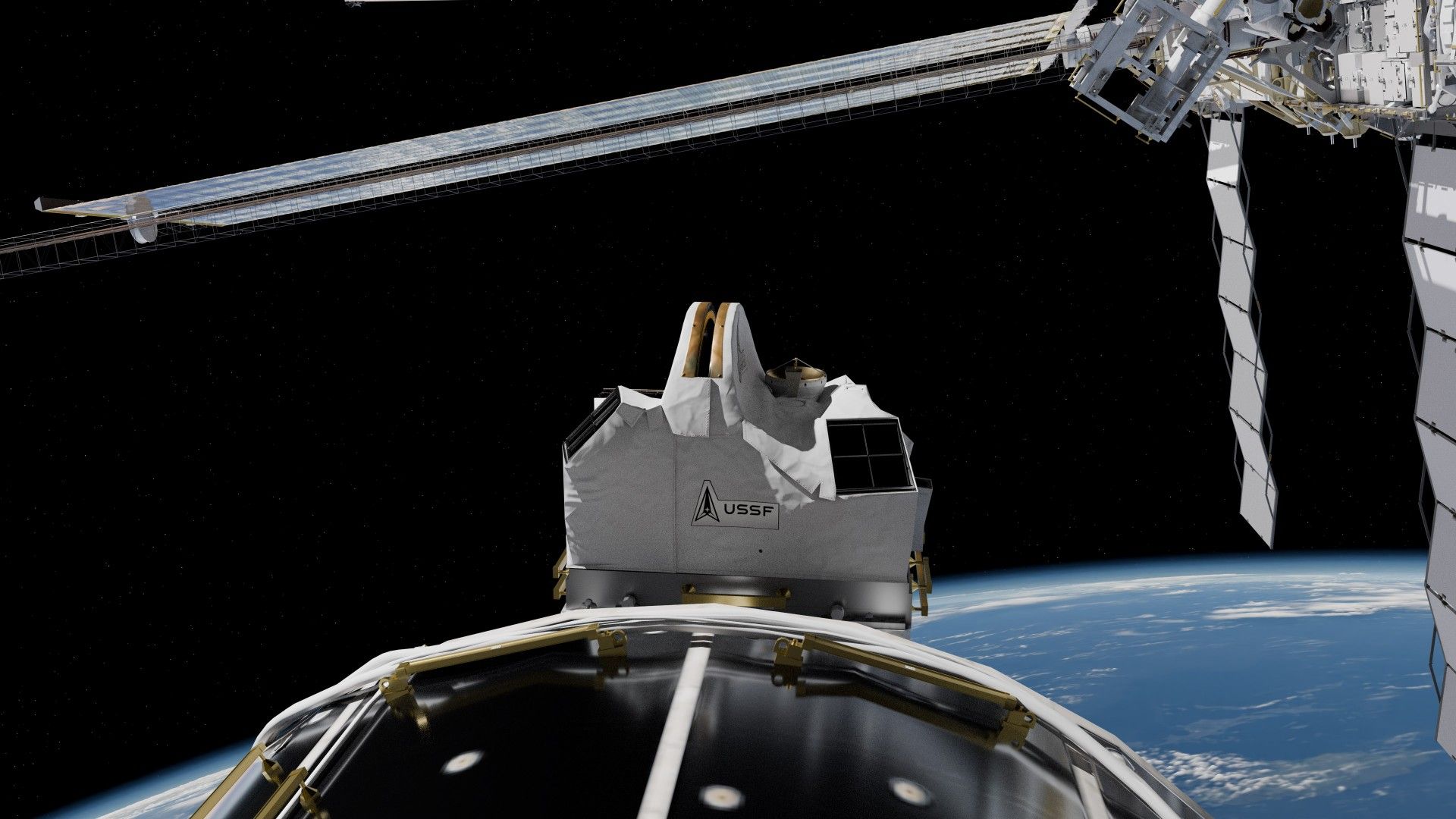
7. What We Hope to Learn About the Ring Current's Origins
One of the biggest questions is: where exactly do these particles come from? Are they mostly from the solar wind, Earth's own ionosphere, or a combination? The mission will measure isotopic ratios to trace their source. Another mystery is how the ring current decays after storms. Particles can be lost by precipitation into the atmosphere, by escape out the magnetotail, or by charge exchange. Each process has different implications for radiation belt dynamics. Answering these questions will refine models that predict space weather weeks in advance.
8. The Ring Current and the Auroras
Many people associate space weather with beautiful auroras, but the ring current plays a key role. During geomagnetic storms, energy from the ring current can be dumped into the upper atmosphere, energizing particles that create brighter and more widespread auroral displays. The connection works both ways: auroral activity can also inject particles into the ring current. Understanding this feedback loop is essential for predicting both the visual spectacle and the underlying hazards. The mission's simultaneous measurements will help untangle cause and effect.
9. How This Mission Differs from Previous Efforts
Previous missions like Van Allen Probes (2012–2019) studied the radiation belts, which overlap with the ring current but are distinct. The new mission focuses exclusively on the ring current's energy range and dynamics. It also flies in a different orbit—more inclined and elliptical—to sample regions previously missed. Moreover, the partnership with the Space Force ensures the data will be processed quickly for operational use, not just scientific analysis. This marks a shift toward actionable space weather intelligence, directly supporting military and civilian infrastructure.
10. The Future of Space Weather Forecasting
The ultimate goal of the SWFO-RC mission is to develop a reliable forecasting system for the ring current. By feeding real-time data into computer models, operators could have hours of warning before a storm peaks. This would allow satellite operators to reboot systems, power companies to isolate transformers, and airlines to reroute polar flights. As humanity becomes more dependent on space-based technology, understanding and predicting the ring current becomes not just an academic pursuit, but a necessity. This mission is a giant leap toward that future.
The ring current remains one of the last great mysteries of near-Earth space. With this bold new mission, NASA and the U.S. Space Force are poised to uncover its secrets, protecting our technology and expanding our knowledge. As the launch date approaches, the scientific community awaits answers that could change how we live with space weather.
Related Articles
- DNA Folding Dynamics: How Active Genes Influence Neighbors Through Physical Changes
- Colombia Summit: 57 Nations Forge a Path Away from Fossil Fuels
- Unraveling the Mysteries of Lightning: New Insights into an Ancient Phenomenon
- Orbital AI Data Centers: A Comprehensive Guide to Launching Edge Computing in Space
- SpaceX CRS-34: Science and Supplies Headed to the ISS – Your Questions Answered
- How to Become a Published Co-Author Through NASA Citizen Science
- 10 Breakthroughs with Microsoft Discovery: Redefining R&D with Agentic AI
- Replit CEO Vows Not to Sell Amid Cursor's $60B SpaceX Deal Talk, Clashes with Apple