10 Innovative Ways to Transform Man Pages into User-Friendly Guides
Man pages have long been the primary documentation for many command-line tools, yet they often feel cluttered and difficult to navigate. Drawing inspiration from real-world examples like rsync, strace, and Perl, this listicle explores practical enhancements that can make man pages more accessible and efficient. Whether you're a developer maintaining documentation or a user seeking faster answers, these ideas can help turn man pages into powerful cheat sheets that you'll actually want to use. Let's dive into 10 actionable improvements.
1. Keep the SYNOPSIS Short and Sweet
Many man pages open with an overwhelming SYNOPSIS like ls [-@ABCFGHILOPRSTUWabcdefghiklmnopqrstuvwxy1%,]. Instead, follow rsync's example: a minimal synopsis like rsync [OPTION...] SRC... [DEST]. This gives readers the general command structure without drowning them in options. A terse SYNOPSIS sets the stage and encourages exploring further sections for details.
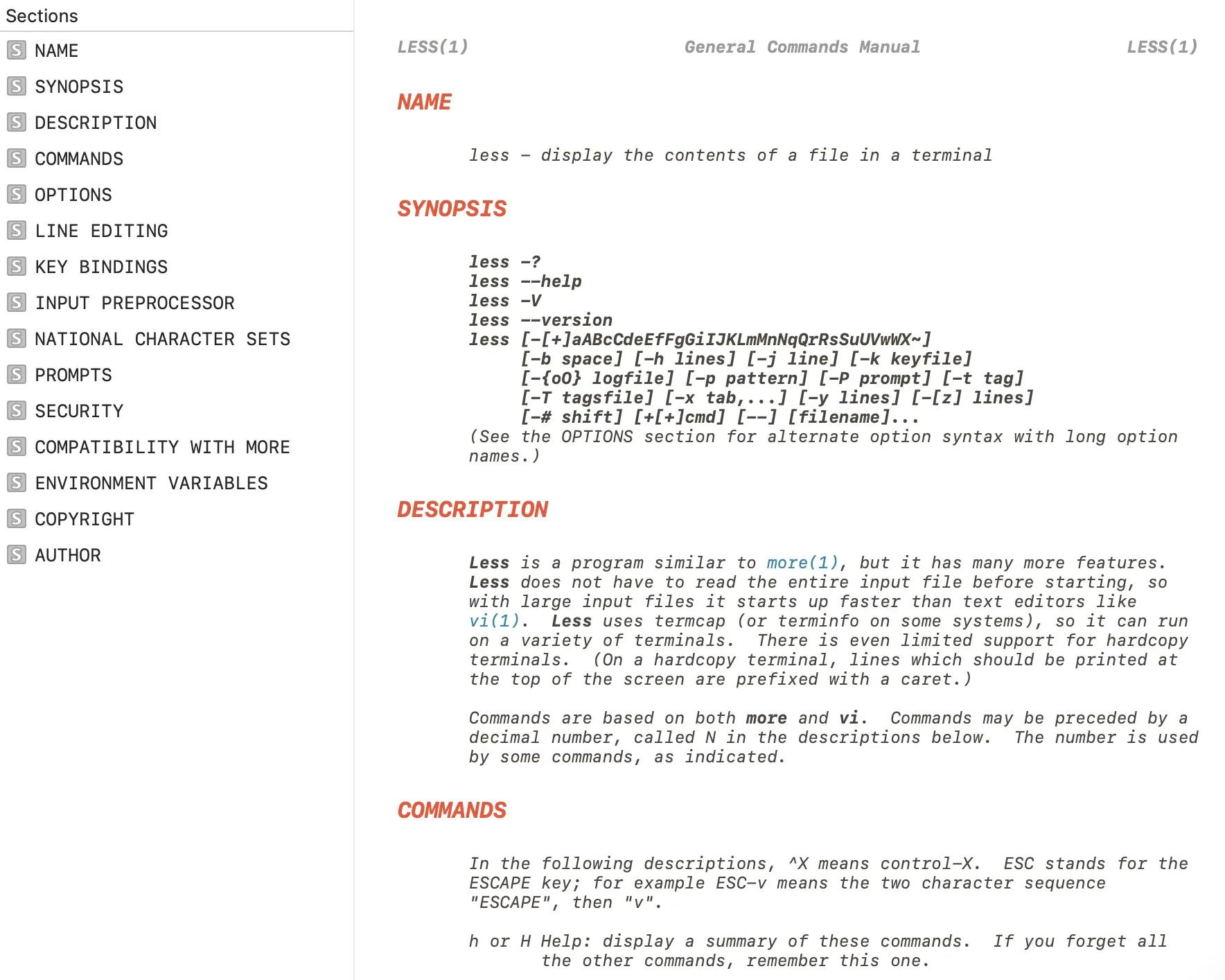
2. Add an Options Summary Section
After a concise synopsis, include a dedicated OPTIONS SUMMARY table. rsync does this beautifully, listing each option with a one-line description: --verbose, -v increase verbosity. This gives a quick overview of all available flags, acting like a cheat sheet at a glance. Later, a full OPTIONS section provides in-depth explanations. This two-tier approach helps users find what they need fast.
3. Group Options by Category
Instead of sorting options alphabetically (which can obscure logical relationships), organize them by purpose. The strace man page uses categories like General, Startup, Tracing, Filtering, and Output Format. This allows users to jump directly to the context they care about. For example, if you're debugging, head to the Tracing section. Categorization transforms a linear list into a structured guide.
4. Embed a Cheat Sheet Section
Perl's man perlcheat is a standalone cheat sheet, but why not include a condensed syntax reference directly in the man page? Imagine a compact ASCII table showing common command patterns, like foreach (LIST) { } alongside if (e) { }. This provides a quick memory refresher without leaving the page. A cheat sheet section near the top can reduce time spent scrolling.
5. Use Compact Tables for Syntax Patterns
Building on the cheat sheet idea, present frequently used syntax in a simple table format. For example, for grep, you could list -l print only filenames with matches alongside -c count matches. Tables save vertical space and make comparisons easy. Use <table> tags or pure ASCII alignment; the key is clarity at a glance.
6. Provide Fine-Grained Verbosity Controls
rsync offers options like --info=FLAGS and --debug=FLAGS, allowing users to filter output precisely. Documenting such fine-grained controls in a dedicated subsection helps power users tailor the tool's verbosity. This is especially valuable for debugging complex commands. A short description of available flags (e.g., --info=progress) turns a mysterious option into a flexible friend.
7. Highlight Frequently Misremembered Options
The grep option -l (list filenames) is often forgotten. Man pages could call out such commonly needed flags in a separate Popular Options table. Similarly, tar's -z for gzip compression is frequently missed. A dedicated section or a small callout box can save users from repeated searches. This acknowledges that not all options are created equal.
8. Include Practical Examples from Community Input
When the author asked Mastodon users for their favorite man pages, they discovered gems like man perlcheat. Man pages can include an Examples or Community Tips section that showcases real-world command usages. This turns documentation into a collaborative resource. For example, tcpdump could show common packet capture recipes contributed by network admins.
9. Offer Filterable Search Features
While not a native man page feature, you can add internal anchor links or a mini-index at the top. For instance, in the OPTIONS section, every option name can be an anchor, and the summary table can link to the full description. This makes the page hyperlinked internally, mimicking web navigation. With tools like man -H or HTML renders, these links become clickable.
10. Encourage a Culture of Clarity
The best man pages evolve through feedback. Encourage maintainers to adopt these practices and users to suggest improvements. The git man pages, for example, have improved significantly over time thanks to community contributions. A standard Contributing section at the bottom could invite readers to report confusing parts. Over time, man pages can become not just documentation, but a joy to consult.
Transforming man pages from intimidating walls of text into navigable, cheat-sheet-friendly resources is an achievable goal. By adopting even a few of these strategies—such as terse synopses, categorized options, or embedded cheat sheets—you can significantly reduce the time users spend searching for answers. Start with one improvement, and soon your man page might become the example others point to. Remember, a little clarity goes a long way in the command line.
Related Articles
- The Key Technologies Driving 6G Wireless: A Q&A Exploration
- Covert Tracking via Mailed Parcels: A Step-by-Step Guide
- 5 Incredible Capabilities of a DIY Raspberry Pi Travel Router That Off-the-Shelf Models Can't Match
- Bridging the Digital Divide: How IEEE’s Connecting the Unconnected Initiative Works
- From Cave Walls to Neural Networks: The Evolution of Human Connection
- How to Build a Gigascale AI Network with NVIDIA Spectrum-X and MRC
- How We Connect: A Step-by-Step Guide to Building Entangled Bonds from Cave Art to AI
- How to Save Big on a Foldable Phone: Buying Last Year's Motorola Razr Ultra Instead of the New One